
Decir – Digo, Dices, Dice, Dijimos, Dicho
Descubre la conjugación del verbo decir en español: digo, dices, dice, dijimos y dicho, con ejemplos prácticos, usos comunes y reglas gramaticales para dominar este verbo irregular, tiempos, modos y errores frecuentes.
Discover the conjugation of the verb decir in Spanish: digo, dices, dice, dijimos and dicho, with practical examples, common uses, and grammatical rules to use this irregular verb across its tenses, moods, and common mistakes.
Decir means "to say" or "to tell" and is essential for reporting speech and giving information. It is irregular in several important forms and is commonly used in everyday conversation.
Present Tense
Use the present tense of decir to talk about what someone says regularly or to report speech in a neutral way. The first person singular is irregular.
| Spanish | English | Spanish | English | |
|---|---|---|---|---|
| yo digo | I say / I tell | tú dices | you say / you tell | |
| él/ella dice | he/she says | nosotros decimos | we say / we tell | |
| ellos dicen | they say | vosotros decís | you all say |
Examples
Usa el presente de decir para hablar sobre lo que alguien dice regularmente o para reportar discursos de manera neutral. La primera persona del singular es irregular.
I say what I think.
Preterite Tense
Use the preterite of decir to report what someone said at a specific moment in the past. The stem changes to dij- and the endings are slightly irregular.
| Spanish | English | Spanish | English | |
|---|---|---|---|---|
| yo dije | I said | tú dijiste | you said | |
| él/ella dijo | he/she said | nosotros dijimos | we said | |
| ellos dijeron | they said | vosotros dijisteis | you all said |
Expressions
Utiliza el pretérito de decir para reportar lo que alguien dijo en un momento específico en el pasado. La raíz cambia a dij- y las terminaciones son ligeramente irregulares.
Yesterday I said the truth.
Imperfect Tense
Use the imperfect to describe repeated or background speech in the past. The imperfect forms of decir are regular and less commonly used than the preterite for single events.
| Spanish | English | Spanish | English | |
|---|---|---|---|---|
| yo decía | I was saying / I used to say | tú decías | you were saying | |
| él/ella decía | he/she was saying | nosotros decíamos | we were saying | |
| ellos decían | they were saying | vosotros decíais | you all were saying |
Contexts
Usa el imperfecto para describir discursos repetidos o de fondo en el pasado. Las formas del imperfecto de decir son regulares y se usan con menos frecuencia que el pretérito para eventos únicos.
Before I used to say different things.
Present Perfect
Use the present perfect to talk about things someone has said up to now. The past participle is dicho and is used with haber.
| Spanish | English | |
|---|---|---|
| he dicho | I have said | |
| has dicho | you have said | |
| ha dicho | he/she has said | |
| hemos dicho | we have said | |
| han dicho | they have said |
Examples
Utiliza el presente perfecto para hablar de cosas que alguien ha dicho hasta ahora. El participio pasado es dicho y se usa con haber.
I have said what I think for a long time.
Subjunctive
The present subjunctive of decir is used in dependent clauses after expressions of desire, doubt, or command. The stem returns to dig- in the subjunctive forms.
| Spanish | English | Spanish | English | |
|---|---|---|---|---|
| (que) yo diga | (that) I say | (que) tú digas | (that) you say | |
| (que) él/ella diga | (that) he/she says | (que) nosotros digamos | (that) we say | |
| (que) ellos digan | (that) they say | (que) vosotros digáis | (that) you all say |
Cautions
El subjuntivo presente de decir se usa en oraciones subordinadas después de expresiones de deseo, duda o mandato. La raíz vuelve a dig- en las formas del subjuntivo.
I hope that I say the truth.
Useful Expressions
Learn common phrases with decir such as decir la verdad (to tell the truth) and decir que sí/no (to say yes/no). These make your speech sound natural.
| Spanish | English | |
|---|---|---|
| decir la verdad | to tell the truth | |
| decir que sí/no | to say yes/no | |
| decir tonterías | to say nonsense | |
| decir un secreto | to tell a secret |
Aprende frases comunes con decir como decir la verdad (decir la verdad) y decir que sí/no (decir que sí/no). Estas expresiones hacen que tu forma de hablar suene natural.
Summary
Decir is a key verb for reporting speech and comes up in many useful expressions. Master the present, preterite, and participle forms and practice using it in short reported sentences.
Decir es un verbo clave para reportar discursos y aparece en muchas expresiones útiles. Domina las formas del presente, pretérito y participio y practica su uso en oraciones reportadas cortas.
Suggested Reading

Practice Makes Perfect: Basic Spanish by Dorothy Richmond
No Nonsense Spanish Workbook by Eric W. Vogt & My Daily Spanish

The Everything Learning Spanish Book by Julie Gutin
Collins Easy Learning: Spanish Conversation by Collins Dictionaries

Practice Makes Perfect: Spanish Conversation by Jean Yates
Madrigal's Magic Key to Spanish by Margarita Madrigal
Spanish All-In-One For Dummies by Susana Wald & Cecie Kraynak
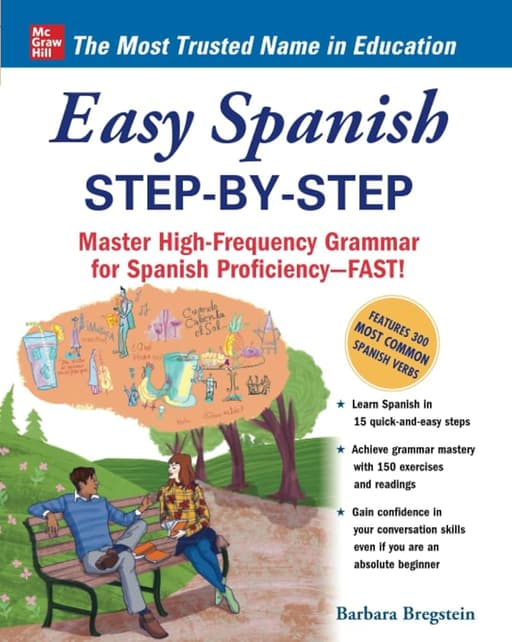
Easy Spanish Step-By-Step by Barbara Bregstein
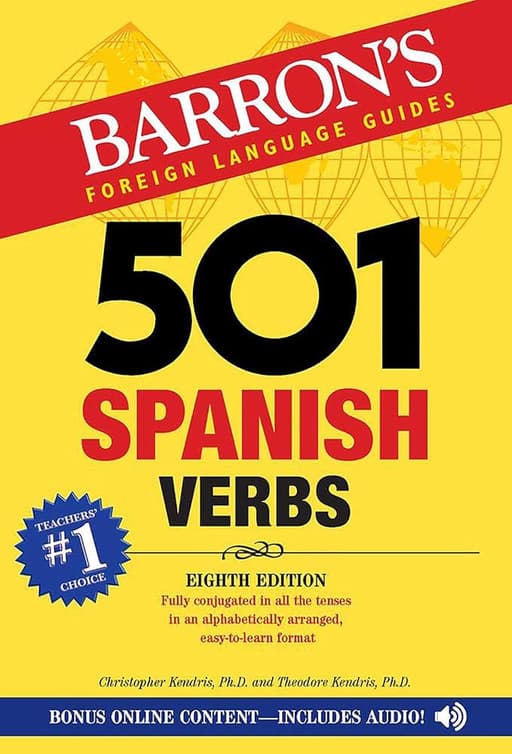
Barron’s 501 Spanish Verbs by Christopher Kendris and Theodore Kendris
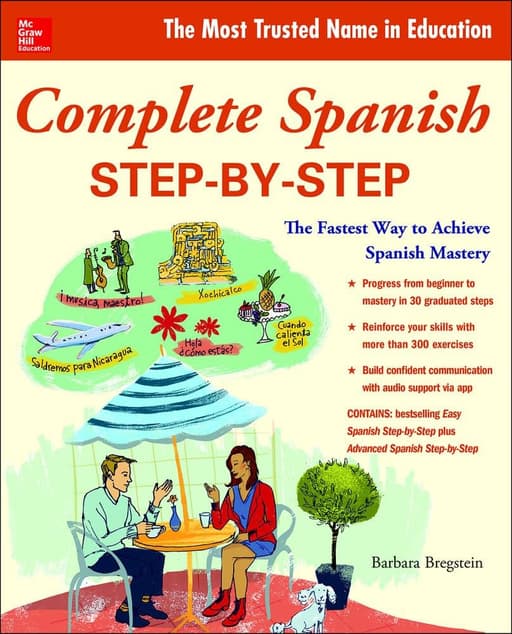
Complete Spanish Step-By-Step by Barbara Bregstein

Practice Makes Perfect: Complete Spanish Grammar by Gilda Nissenberg
All content was written by our AI and may contain a few mistakes. We may earn commissions on some links. Last updated: Wed Dec 3, 2025, 6:21 PM