
Atribuir – Atribuyo, Atribuyes, Atribuimos, Atribuyeron, Atribuido
Descubre el verbo Atribuir: definición, conjugación completa (atribuyo, atribuyes, atribuye, atribuimos, atribuyen; atribuí, atribuiste, atribuyó, atribuyeron; atribuido) y usos comunes en español, con ejemplos.
Discover the verb Atribuir: definition, full conjugation (atribuyo, atribuyes, atribuye, atribuimos, atribuyen; atribuí, atribuiste, atribuyó, atribuyeron; atribuido) and common uses in Spanish, with examples.
The verb atribuir means "to attribute" or "to ascribe" something to someone or something, and it is often used when assigning cause, responsibility, or origin. This guide explains its forms and use with examples that highlight its typical contexts.
Meaning
Atribuir means to assign a cause, quality, or action to a person, group, or thing. It is commonly used in discussions of responsibility, credit, blame, or origin.
Atribuir significa asignar una causa, cualidad o acción a una persona, grupo o cosa. Se usa comúnmente en discusiones sobre responsabilidad, crédito, culpa u origen.
Conjugation
Atribuir is a regular -ir verb for the most part but undergoes a spelling change in certain forms to preserve pronunciation. Below are the key forms in the present, preterite, and past participle.
Present
The present tense of atribuir follows the pattern of adding accents and changing the i to y in all forms except nosotros/nosotras and vosotros/vosotras:
| Spanish Form | English Translation | |
|---|---|---|
| yo atribuyo | I attribute | |
| tú atribuyes | you attribute | |
| él/ella/Ud. atribuye | he/she/you (formal) attributes | |
| nosotros/nosotras atribuimos | we attribute | |
| vosotros/vosotras atribuís | you all attribute | |
| ellos/ellas/Uds. atribuyen | they/you all (formal) attribute |
El tiempo presente de atribuir sigue el patrón de añadir acentos y cambiar la i por y en todas las formas excepto en nosotros/nosotras y vosotros/vosotras:
I attribute the failure to lack of preparation.
Preterite
In the preterite tense, atribuir changes i to y in the third person singular and plural forms to maintain sound. The other forms use the normal endings for -ir verbs:
| Spanish Form | English Translation | |
|---|---|---|
| yo atribuí | I attributed | |
| tú atribuiste | you attributed | |
| él/ella/Ud. atribuyó | he/she/you (formal) attributed | |
| nosotros/nosotras atribuímos | we attributed | |
| vosotros/vosotras atribuisteis | you all attributed | |
| ellos/ellas/Uds. atribuyeron | they/you all (formal) attributed |
En el pretérito, atribuir cambia i a y en las formas de tercera persona singular y plural para mantener el sonido. Las otras formas usan las terminaciones normales de los verbos -ir:
He attributed the error to poor communication.
Past Participle
The past participle is atribuido and is used with haber to form perfect tenses:
| Spanish Form | English Translation | |
|---|---|---|
| atribuido | attributed |
El participio pasado es atribido y se usa con haber para formar tiempos compuestos:
The cause was attributed to errors in the planning.
atribuir es en su mayoría un verbo regular de -ir, pero sufre un cambio ortográfico en ciertas formas para preservar la pronunciación. A continuación se presentan las formas clave en presente, pretérito y participio pasado.
Use
Use atribuir when you want to assign or ascribe something to a cause, person, group, or thing. It often appears in contexts like news reports, analysis, and evaluations.
Usa atribuir cuando quieras asignar o atribuir algo a una causa, persona, grupo o cosa. Suele aparecer en contextos como informes de noticias, análisis y evaluaciones.
Examples
(Aquí se pueden incluir ejemplos en frases usando atribuir en diversos contextos)
Related Expressions
Phrases like atribuir la culpa (to assign blame) and atribuir el éxito (to attribute success) show typical collocations. You can also use prepositional phrases with a to indicate to whom or what something is attributed.
Frases como atribuir la culpa y atribuir el éxito muestran colocaciones típicas. También puedes usar frases preposicionales con a para indicar a quién o qué se atribuye algo.
Summary
Atribuir is a useful verb for expressing attribution of cause, responsibility, or origin. Remember the i to y changes in the present and preterite third person forms, and use the past participle atribuido for perfect tenses. Practice with sentences relevant to news, analysis, and everyday evaluations.
Atribuir es un verbo útil para expresar la atribución de causa, responsabilidad u origen. Recuerda los cambios de i a y en las formas de tercera persona en presente y pretérito, y usa el participio atribido para los tiempos compuestos. Practica con oraciones relevantes en noticias, análisis y valoraciones cotidianas.
Suggested Reading

Practice Makes Perfect: Basic Spanish by Dorothy Richmond
No Nonsense Spanish Workbook by Eric W. Vogt & My Daily Spanish

The Everything Learning Spanish Book by Julie Gutin
Collins Easy Learning: Spanish Conversation by Collins Dictionaries

Practice Makes Perfect: Spanish Conversation by Jean Yates
Madrigal's Magic Key to Spanish by Margarita Madrigal

Spanish All-In-One For Dummies by Susana Wald & Cecie Kraynak
Easy Spanish Step-By-Step by Barbara Bregstein

Barron’s 501 Spanish Verbs by Christopher Kendris and Theodore Kendris
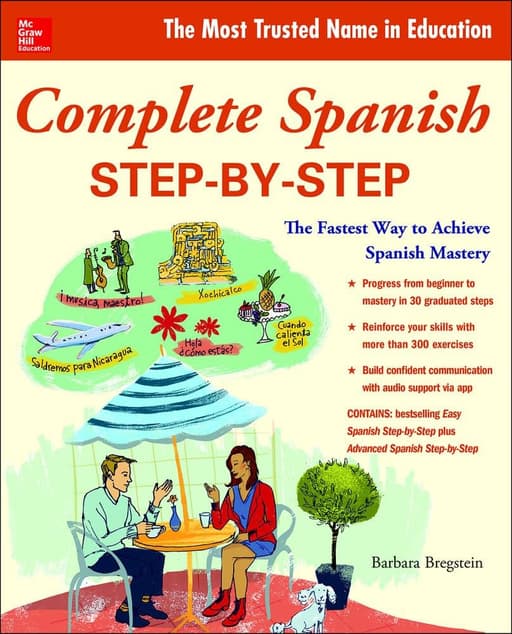
Complete Spanish Step-By-Step by Barbara Bregstein

Practice Makes Perfect: Complete Spanish Grammar by Gilda Nissenberg
All content was written by our AI and may contain a few mistakes. We may earn commissions on some links. Last updated: Wed Dec 3, 2025, 6:21 PM