
Ser vs Estar – To Be (permanent) vs To Be (temporary)
Descubre cuándo usar ser o estar en español: diferencias entre rasgos permanentes y estados temporales, con reglas claras, ejemplos prácticos y consejos para evitar errores comunes. Fuente: ser-vs-estar.
Discover when to use ser or estar in Spanish: differences between permanent traits and temporary states, with clear rules, practical examples, and tips to avoid common mistakes. Source: ser-vs-estar.
In Spanish, ser and estar both translate as "to be," but they serve different functions: ser marks more lasting or defining qualities while estar marks temporary conditions, locations, and states.
Ser
Use ser to express identity, origin, time, possession, material, and intrinsic characteristics that define someone or something.
Examples
Expressions
I am a math teacher.
Usa ser para expresar identidad, origen, tiempo, posesión, material y características intrínsecas que definen a alguien o algo.
Estar
Use estar to describe temporary states, locations, feelings, and ongoing actions with the gerund; it highlights conditions that can change.
Examples
Expressions
I am a math teacher.
Usa estar para describir estados temporales, ubicaciones, sentimientos y acciones en curso con el gerundio; resalta condiciones que pueden cambiar.
Special Adjectives
Some adjectives change meaning depending on whether you use ser or estar, so swapping the verb can change the sentence's sense from inherent quality to temporary condition.
The coffee at this café is strong and aromatic.
Summary
Remember: use ser for defining traits and identity, and estar for locations and temporary states; paying attention to small differences will improve your nuance in Spanish.
Suggested Reading

Practice Makes Perfect: Basic Spanish by Dorothy Richmond
No Nonsense Spanish Workbook by Eric W. Vogt & My Daily Spanish

The Everything Learning Spanish Book by Julie Gutin
Collins Easy Learning: Spanish Conversation by Collins Dictionaries

Practice Makes Perfect: Spanish Conversation by Jean Yates
Madrigal's Magic Key to Spanish by Margarita Madrigal
Spanish All-In-One For Dummies by Susana Wald & Cecie Kraynak
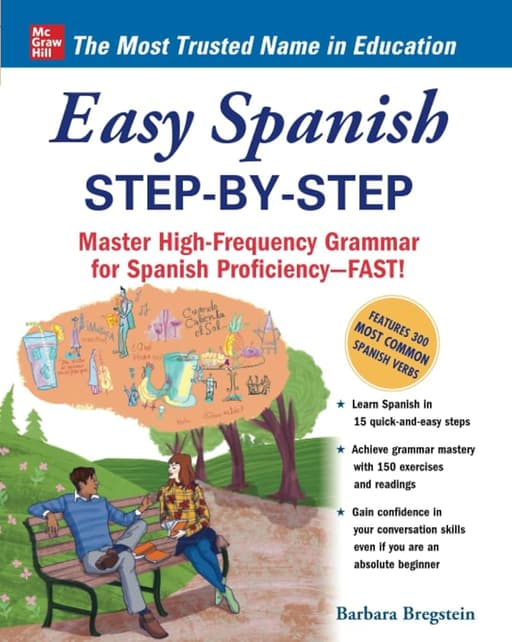
Easy Spanish Step-By-Step by Barbara Bregstein
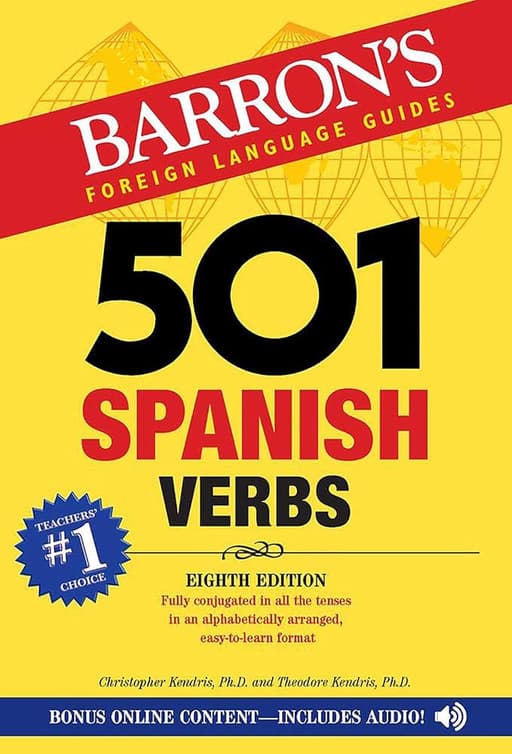
Barron’s 501 Spanish Verbs by Christopher Kendris and Theodore Kendris
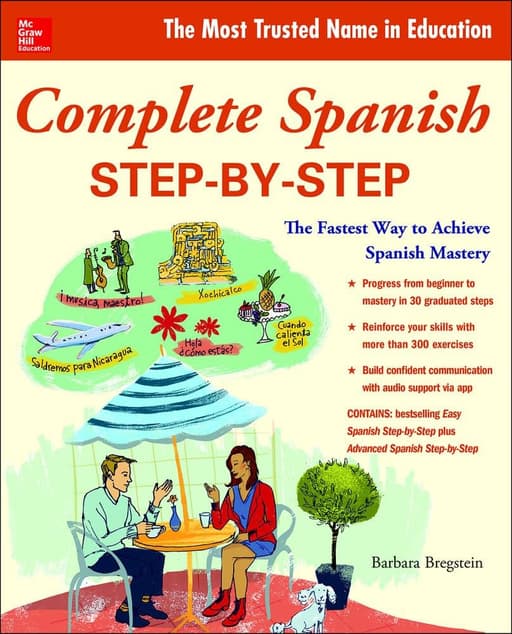
Complete Spanish Step-By-Step by Barbara Bregstein

Practice Makes Perfect: Complete Spanish Grammar by Gilda Nissenberg
All content was written by our AI and may contain a few mistakes. We may earn commissions on some links. Last updated: Wed Dec 3, 2025, 6:22 PM