
Sentir vs Sentirse – To Feel
Explora las diferencias entre sentir y sentirse, cómo se conjugan y cuándo usar cada verbo en español para expresar sensaciones, emociones y estados. Incluye ejemplos y consejos.
Explore the differences between sentir and sentirse, how they are conjugated and when to use each verb in Spanish to express sensations, emotions, and states. Includes examples and tips.
This short guide explains when to use sentir and when to use sentirse, with examples for each. Paying attention to whether the feeling is expressed as an external sensory impression or as an internal state will help you choose the right form.
Sentir
Use sentir when referring to perceiving something through the senses or when causing an emotion in someone else. It can be followed by a noun or an infinitive.
Examples
| Spanish Sentence | English Translation | |
|---|---|---|
| Siento el viento en la cara. | I feel the wind on my face. | |
| Ella siente dolor después de la caída. | She feels pain after the fall. | |
| Sentimos alegría por tu éxito. | We feel joy for your success. | |
| Siento que va a llover. | I feel that it’s going to rain. |
Utiliza sentir cuando te refieras a percibir algo a través de los sentidos o cuando causas una emoción en otra persona. Puede ir seguido de un sustantivo o un infinitivo.
Sentirse
Use sentirse for describing an internal sensation or emotion in oneself or others. It is often followed by an adjective, participle, or adverb, and highlights a subjective state.
Examples
| Spanish Sentence | English Translation | |
|---|---|---|
| Me siento cansado después de correr. | I feel tired after running. | |
| ¿Te sientes mejor hoy? | Do you feel better today? | |
| Se sienten felices en su nuevo hogar. | They feel happy in their new home. | |
| Me siento raro con esa noticia. | I feel strange about that news. |
Utiliza sentirse para describir una sensación o emoción interna en uno mismo o en otra persona. A menudo va seguido de un adjetivo, participio o adverbio, y destaca un estado subjetivo.
Summary
Use sentir for external sensations and for causing or perceiving an emotion, and use sentirse for internal, subjective feelings. Remember that sentir can take a noun or infinitive, while sentirse typically pairs with an adjective or similar form.
Quick‑Reference Table
| Use | Spanish Expression | |
|---|---|---|
| External sensation | sentir + noun | |
| Causing/experiencing emotion | sentir + noun/infinitive | |
| Internal feeling | sentirse + adjective/participle/adverb | |
| Subjective state | sentirse + adjective/adverb |
Practice
Try replacing each blank with either sentir or sentirse and choose the appropriate form to match the meaning:
Right now I feel the wind on my skin.
Answers
Keep these distinctions in mind, and soon choosing between sentir and sentirse will become intuitive.
Suggested Reading

Practice Makes Perfect: Basic Spanish by Dorothy Richmond
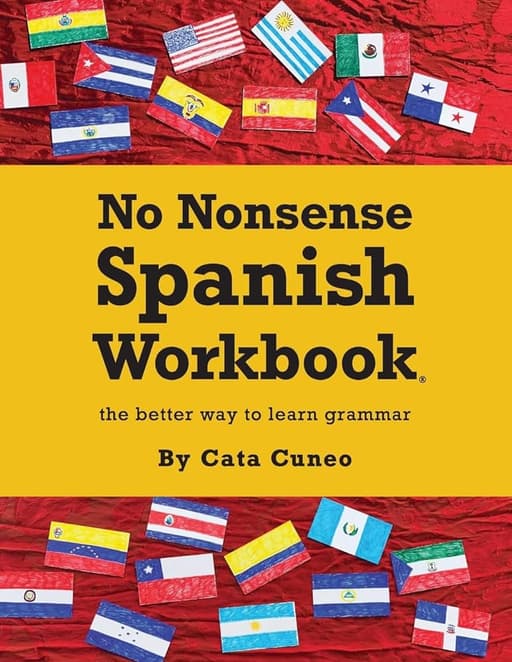
No Nonsense Spanish Workbook by Eric W. Vogt & My Daily Spanish

The Everything Learning Spanish Book by Julie Gutin
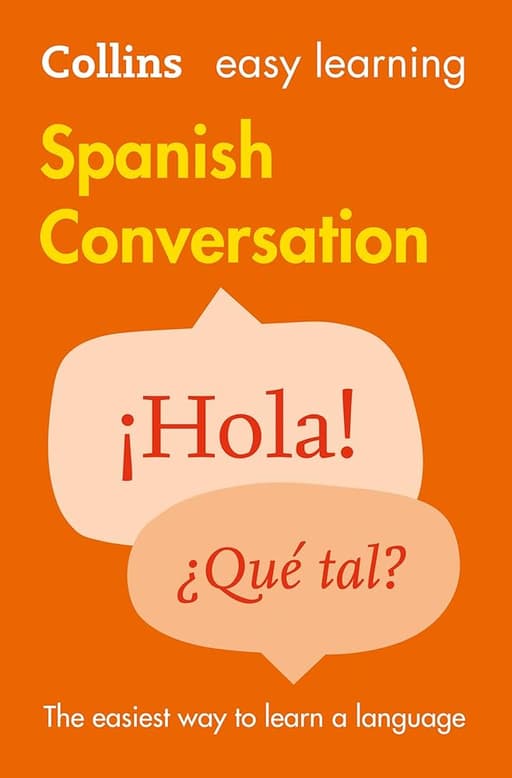
Collins Easy Learning: Spanish Conversation by Collins Dictionaries

Practice Makes Perfect: Spanish Conversation by Jean Yates

Madrigal's Magic Key to Spanish by Margarita Madrigal

Spanish All-In-One For Dummies by Susana Wald & Cecie Kraynak

Easy Spanish Step-By-Step by Barbara Bregstein

Barron’s 501 Spanish Verbs by Christopher Kendris and Theodore Kendris

Complete Spanish Step-By-Step by Barbara Bregstein

Practice Makes Perfect: Complete Spanish Grammar by Gilda Nissenberg
All content was written by our AI and may contain a few mistakes. We may earn commissions on some links. Last updated: Wed Dec 3, 2025, 6:21 PM