
Saber vs Entender – To Know vs Understand
Aprende cuándo usar saber vs entender en español, con reglas clave, ejemplos prácticos y diferencias de significado, para evitar errores comunes y mejorar la precisión comunicativa.
Learn when to use saber vs entender in Spanish, with key rules, practical examples, and differences in meaning, to avoid common mistakes and improve your communicative accuracy.
Spanish distinguishes between types of knowing and understanding with verbs like saber, conocer, entender, and comprender, so choosing the right one highlights whether you mean factual knowledge, familiarity, or grasping a concept.
Saber
Use saber for knowing facts, information, or how to do something, and for learned knowledge that you can recall or apply.
Examples
We know how to play the guitar.
Usa saber para expresar que sabes hechos, información, o cómo hacer algo, y para conocimientos aprendidos que puedes recordar o aplicar.
I know how to play the guitar.
Entender
Use entender for grasping meaning, comprehending an idea, or making sense of something, and for mental or intuitive understanding.
Examples
We know how to play the guitar.
Usa entender para captar el significado, comprender una idea, o darle sentido a algo, así como para una comprensión mental o intuitiva.
Do you understand the instructions?
Conocer
Use conocer for being familiar with people, places, or things through experience, rather than knowing information or understanding concepts.
Examples
We know how to play the guitar.
Usa conocer para estar familiarizado con personas, lugares, o cosas a través de la experiencia, en lugar de saber información o entender conceptos.
I want to meet Catherine.
Comprender
Comprender is very close to entender and can often be used interchangeably; it sometimes implies a deeper or more complete understanding.
Examples
We know how to play the guitar.
Comprender está muy cerca de entender y a menudo se pueden usar de manera intercambiable; a veces implica una comprensión más profunda o completa.
They understand the problem.
Summary
Use saber for factual or practical knowledge, entender/comprender for understanding meaning, and conocer for familiarity through experience.
Additional Nuance
Remember that saber can introduce clauses with that or question words, while conocer takes direct objects, and entender/comprender focus on grasping content rather than possession of knowledge.
I don't know where to go.
Suggested Reading

Practice Makes Perfect: Basic Spanish by Dorothy Richmond
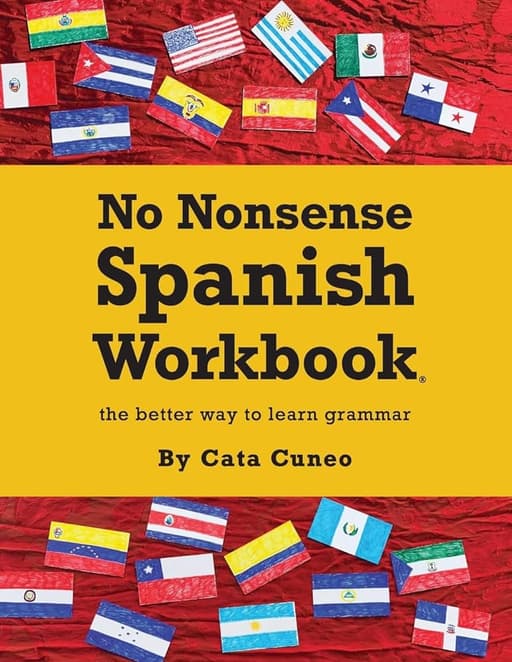
No Nonsense Spanish Workbook by Eric W. Vogt & My Daily Spanish

The Everything Learning Spanish Book by Julie Gutin
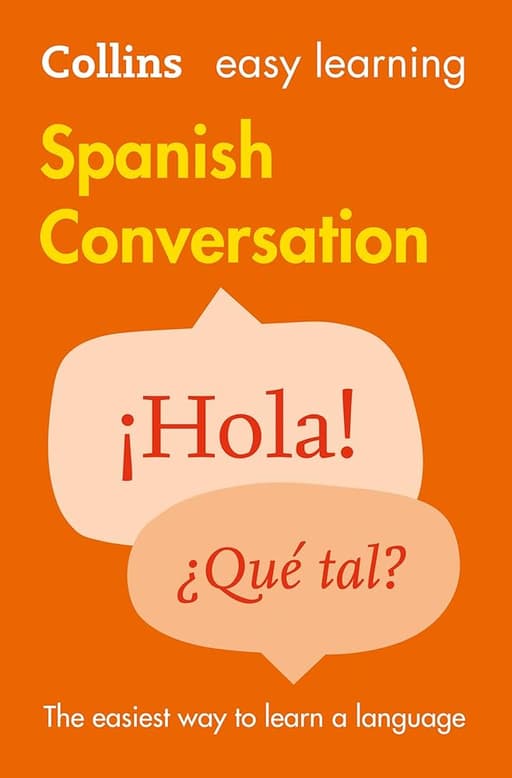
Collins Easy Learning: Spanish Conversation by Collins Dictionaries

Practice Makes Perfect: Spanish Conversation by Jean Yates
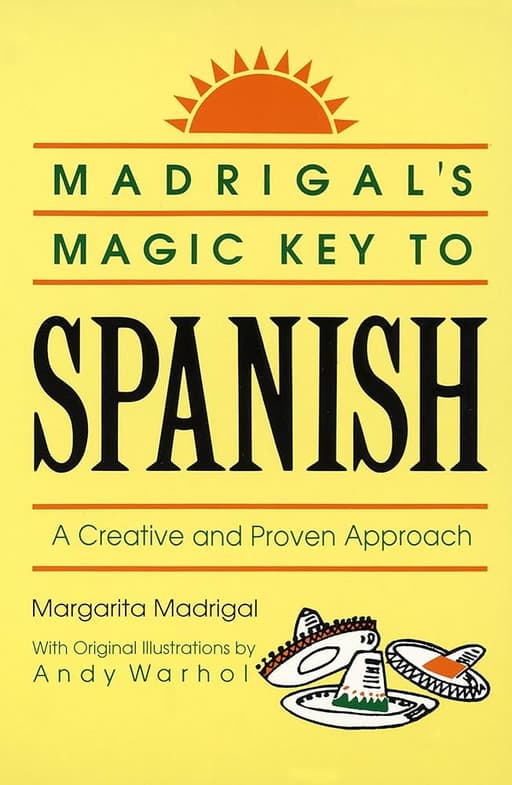
Madrigal's Magic Key to Spanish by Margarita Madrigal
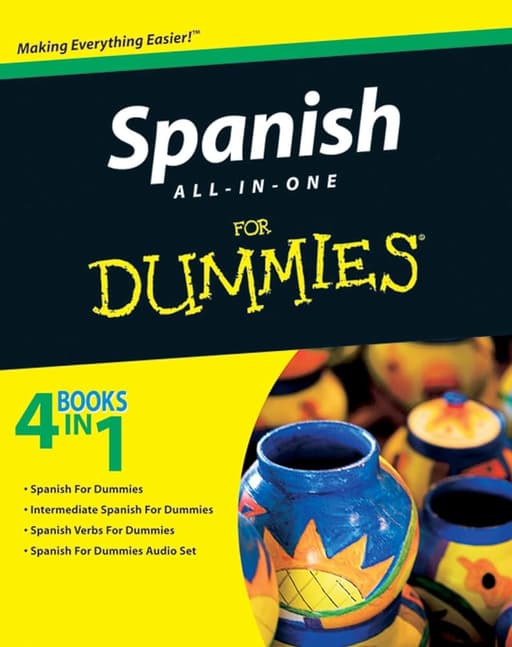
Spanish All-In-One For Dummies by Susana Wald & Cecie Kraynak
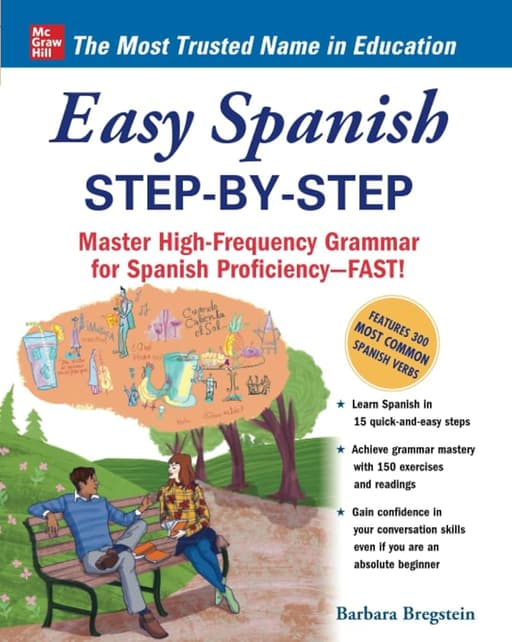
Easy Spanish Step-By-Step by Barbara Bregstein

Barron’s 501 Spanish Verbs by Christopher Kendris and Theodore Kendris
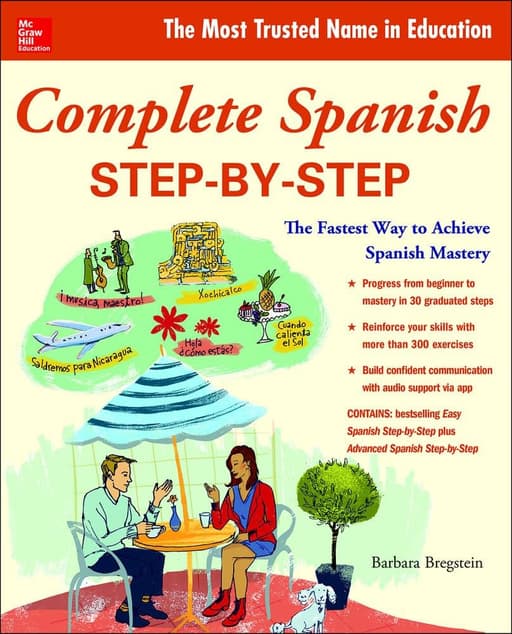
Complete Spanish Step-By-Step by Barbara Bregstein

Practice Makes Perfect: Complete Spanish Grammar by Gilda Nissenberg
All content was written by our AI and may contain a few mistakes. We may earn commissions on some links. Last updated: Wed Dec 3, 2025, 6:21 PM