
Recordar vs Acordarse – To Remember
Descubre cuándo usar recordar o acordarse en español: diferencias de significado, estructuras con pronombres y ejemplos prácticos para evitar errores comunes al recordar cosas, personas y fechas.
Discover when to use recordar or acordarse in Spanish: differences in meaning, pronoun structures, and practical examples to avoid common mistakes when remembering things, people, and dates.
In Spanish, recordar and acordarse both relate to remembering but differ in usage and sentence structure. This guide shows when to use each and gives key examples.
Recordar
Recordar is a transitive verb that requires a direct object—the thing or person you remember—and can be followed by a noun, pronoun, or clause.
Key Uses
Use recordar when you actively bring something to mind or remind yourself or others about a specific detail. It often appears in contexts like recalling facts, dates, names, or tasks.
Examples
Don't forget to remember to call mom when you arrive.
Summary
Remember that recordar takes a direct object and can be used with infinitives or clauses to specify what is remembered.
Recordar es un verbo transitivo que requiere un objeto directo — la cosa o persona que recuerdas — y puede ir seguido de un sustantivo, pronombre o cláusula.
Acordarse
Acordarse is a pronominal verb that requires a reflexive pronoun and is usually followed by de plus the thing remembered. It emphasizes the act of retrieving a memory.
Key Uses
Use acordarse when you recall something from memory, often unexpectedly or after effort. It highlights the moment of remembering rather than the content itself.
Examples
Don't forget to remember to call mom when you arrive.
Summary
Note that acordarse must be followed by the appropriate reflexive pronoun and typically uses de before the remembered item.
Acordarse es un verbo pronominal que requiere un pronombre reflexivo y suele ir seguido de de más la cosa que se recuerda. Enfatiza el acto de recuperar una memoria.
Comparing
Use recordar for active remembering or reminding and acordarse for the spontaneous or conscious act of recalling. They are not always interchangeable because of their syntactic requirements.
Short Practice
Translate simple sentences that swap between recordar and acordarse to feel the difference in use and sentence form.
Summary
Recordar is transitive and focuses on the remembered content; acordarse is pronominal and emphasizes the process of recalling. Learn their typical sentence patterns to use each naturally.
Suggested Reading

Practice Makes Perfect: Basic Spanish by Dorothy Richmond
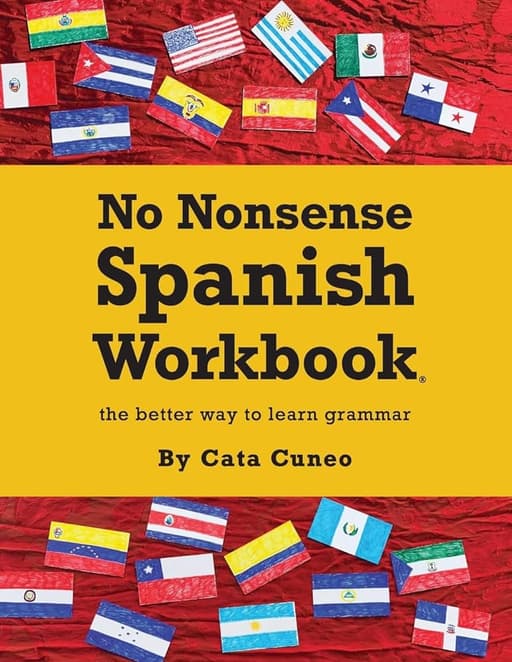
No Nonsense Spanish Workbook by Eric W. Vogt & My Daily Spanish

The Everything Learning Spanish Book by Julie Gutin
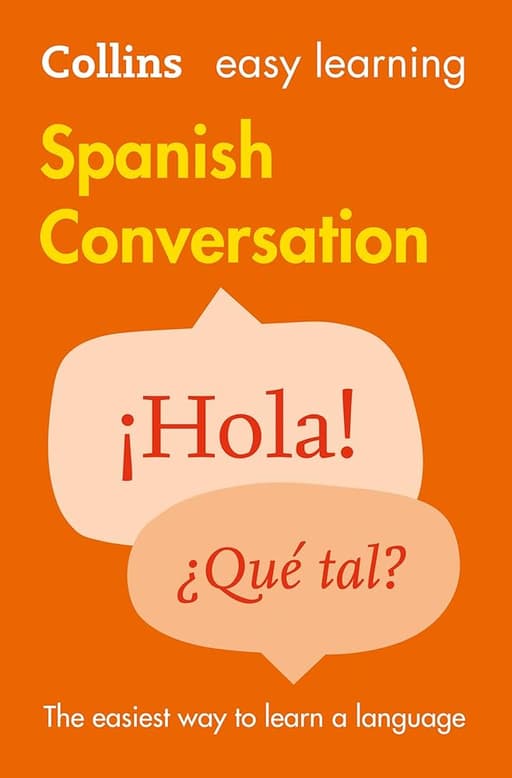
Collins Easy Learning: Spanish Conversation by Collins Dictionaries

Practice Makes Perfect: Spanish Conversation by Jean Yates
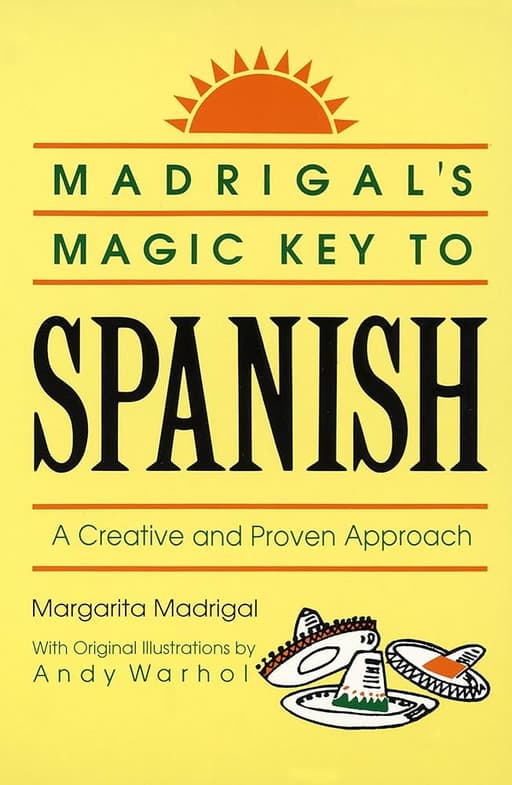
Madrigal's Magic Key to Spanish by Margarita Madrigal

Spanish All-In-One For Dummies by Susana Wald & Cecie Kraynak
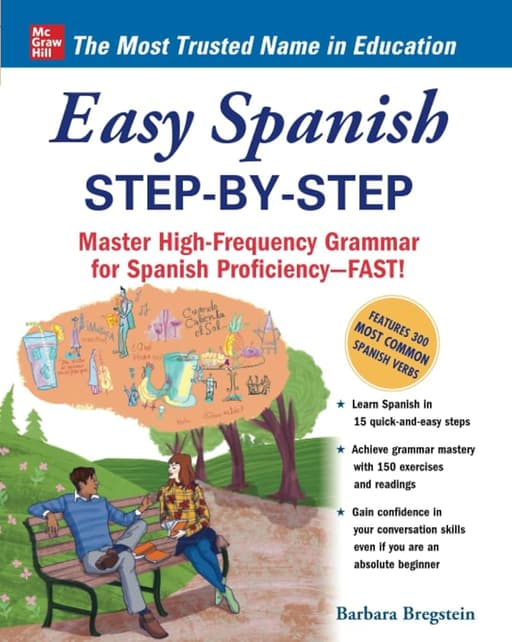
Easy Spanish Step-By-Step by Barbara Bregstein

Barron’s 501 Spanish Verbs by Christopher Kendris and Theodore Kendris
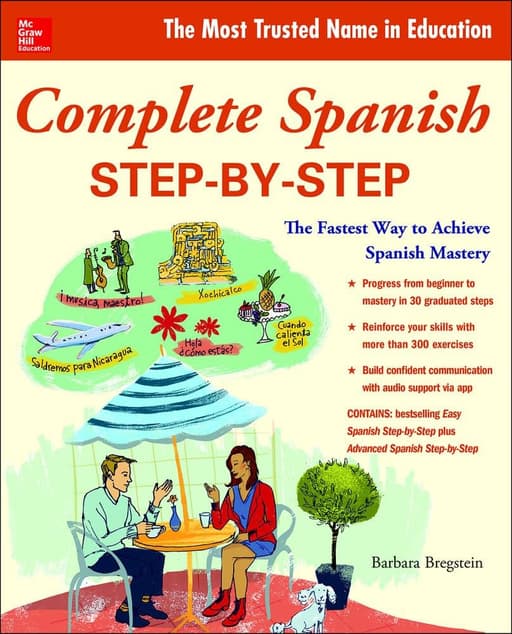
Complete Spanish Step-By-Step by Barbara Bregstein

Practice Makes Perfect: Complete Spanish Grammar by Gilda Nissenberg
All content was written by our AI and may contain a few mistakes. We may earn commissions on some links. Last updated: Wed Dec 3, 2025, 6:21 PM