
Porque vs Por qué vs Porqué vs Por que – Because vs Why
Descubre las diferencias entre porque, por qué, porqué y por que en español y aprende cuándo usar cada forma con reglas detalladas, ejemplos de uso y respuestas a dudas comunes.
Discover the differences between porque, por qué, porqué and por que in Spanish and learn when to use each form with detailed rules, usage notes, and clear examples.
Spanish uses porque, por qué, porqué and por que for different functions—each one signals a distinct kind of clause or meaning. This short guide shows when to use each form with clear examples.
Overview
Use porque to give reasons, por qué to ask for reasons, porqué as a noun meaning "the reason," and por que when por and que come from separate clauses (often replaced by por el que or similar). Each form aligns with either cause, question, or noun use.
Usa porque para dar razones, por qué para preguntar por qué, porqué como sustantivo que significa "la razón," y por que cuando por y que provienen de cláusulas separadas (a menudo reemplazadas por por el que u otras frases similares). Cada forma se relaciona con causa, pregunta o uso como sustantivo.
Porque (because)
Use porque to introduce a cause or explanation; it means "because" and is followed by a clause that gives the reason for something.
I'm going to the store because to make milk.
Por qué (why)
Use por qué in questions to ask for the cause or reason; it appears in direct or indirect questions and is formed by the preposition por plus the interrogative qué.
Why didn't you come yesterday?
Porqué (the reason)
Use porqué as a masculine noun meaning "the reason"; it is always preceded by an article or determiner and can be replaced by "el motivo" for clarity.
The reason is the lack of time.
Por que (for which / that)
Use por que when por and que belong to separate expressions—often when que introduces a relative clause after a preposition; it can sometimes be replaced by por el que, por la que, etc.
That is the reason for which we fight.
Summary
Remember: porque gives reasons, por qué asks reasons, porqué names the reason, and por que links two parts of a sentence; test by rephrasing or substituting to see which fits.
Suggested Reading

Practice Makes Perfect: Basic Spanish by Dorothy Richmond
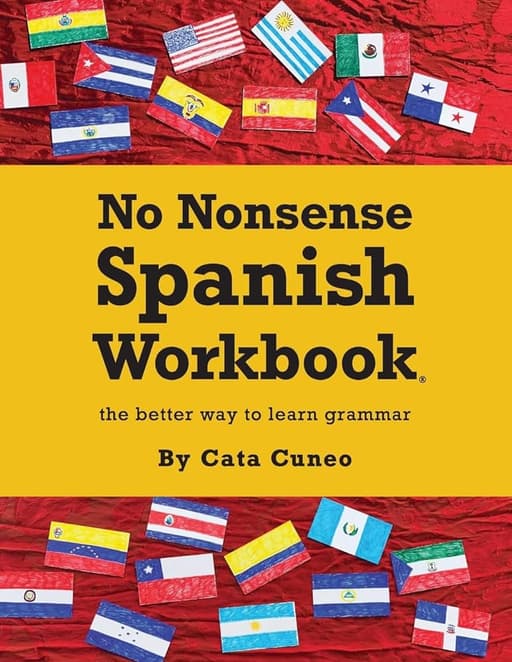
No Nonsense Spanish Workbook by Eric W. Vogt & My Daily Spanish

The Everything Learning Spanish Book by Julie Gutin
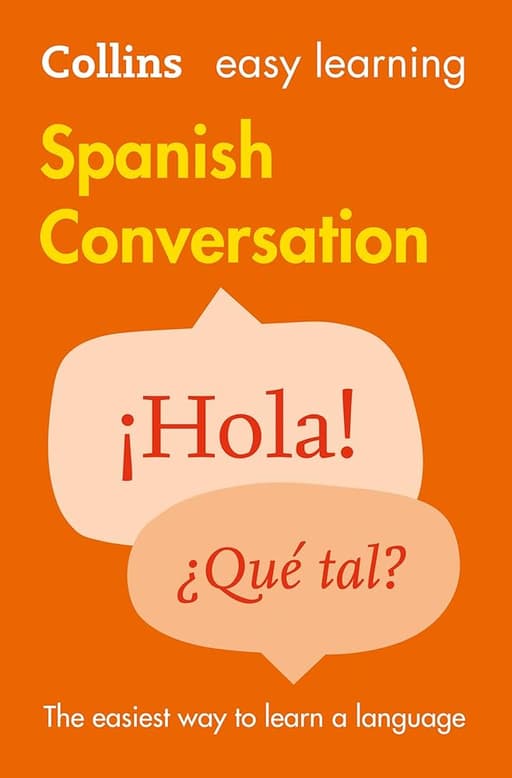
Collins Easy Learning: Spanish Conversation by Collins Dictionaries

Practice Makes Perfect: Spanish Conversation by Jean Yates
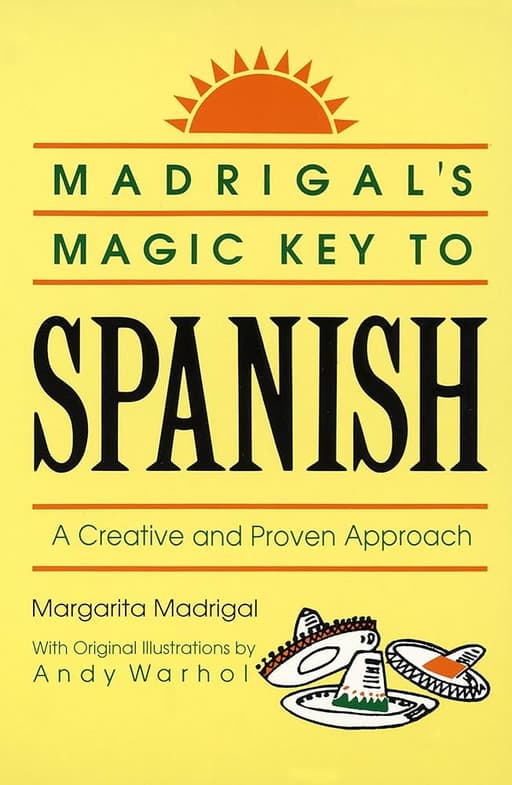
Madrigal's Magic Key to Spanish by Margarita Madrigal
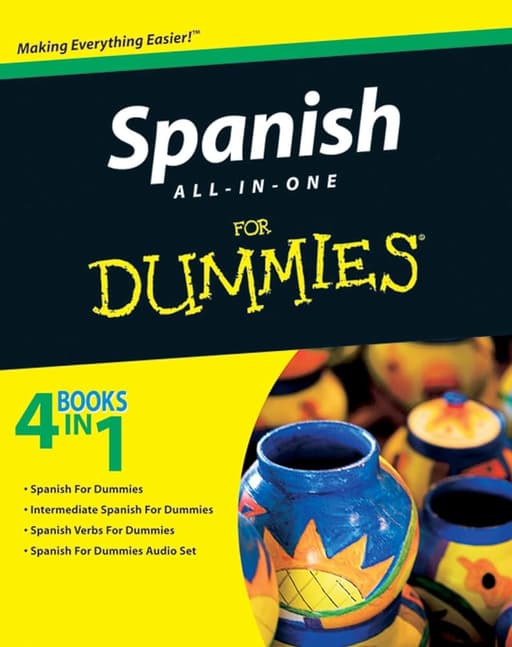
Spanish All-In-One For Dummies by Susana Wald & Cecie Kraynak
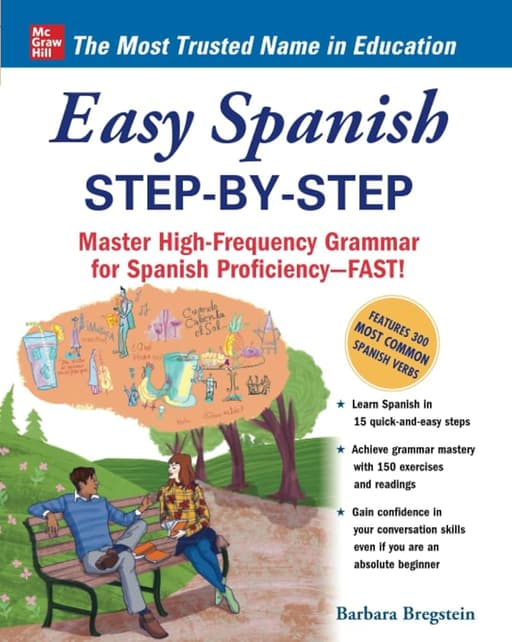
Easy Spanish Step-By-Step by Barbara Bregstein
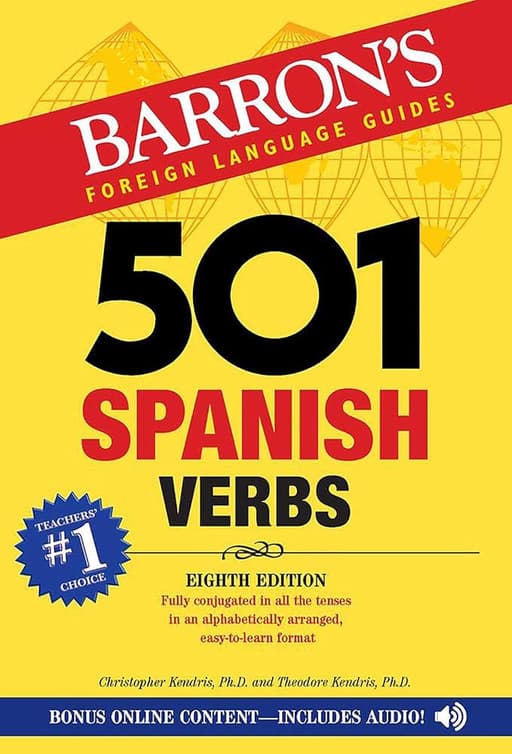
Barron’s 501 Spanish Verbs by Christopher Kendris and Theodore Kendris
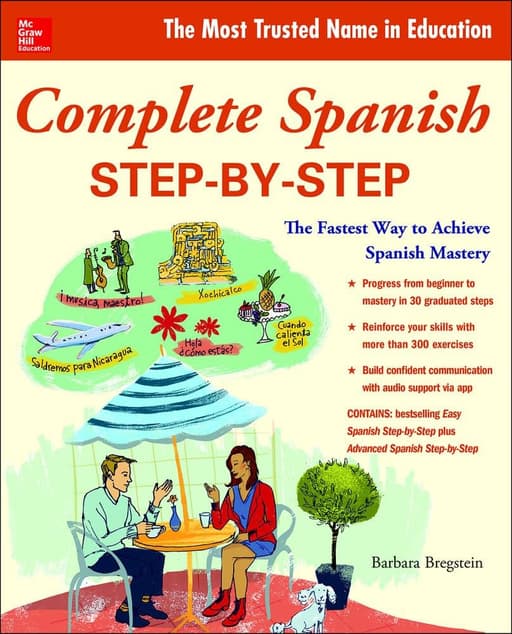
Complete Spanish Step-By-Step by Barbara Bregstein

Practice Makes Perfect: Complete Spanish Grammar by Gilda Nissenberg
All content was written by our AI and may contain a few mistakes. We may earn commissions on some links. Last updated: Wed Dec 3, 2025, 6:21 PM