
Nouns
Guía de comparaciones entre verbos y sustantivos en español. Descubre cuándo usar verbos frente a sustantivos, con ejemplos claros y reglas útiles para mejorar precisión y claridad en el habla y la escritura.
Guide to comparisons between verbs and nouns in Spanish. Discover when to use verbs versus nouns, with clear examples and useful rules to improve accuracy and clarity in speech and writing.
Nouns in Spanish carry gender and number and often shape how articles and adjectives agree. This guide focuses on the most common patterns and useful exceptions.
Gender
Every noun is either masculine or feminine, which affects the form of the article and any modifiers. Masculine nouns usually take el and feminine nouns usually take la.
Masculine
Masculine nouns often end in -o, -ma, or -s and take the article el in the singular.
| Spanish Word(s) | English Word(s) | |
|---|---|---|
| el libro | the book | |
| el problema | the problem | |
| el país | the country |
Los sustantivos masculinos suelen terminar en -o, -ma, o -s y llevan el artículo el en singular.
Feminine
Feminine nouns often end in -a, -ción, or -sión and take the article la in the singular.
| Spanish Word(s) | English Word(s) | |
|---|---|---|
| la casa | the house | |
| la canción | the song | |
| la decisión | the decision |
Los sustantivos femeninos suelen terminar en -a, -ción, o -sión y llevan el artículo la en singular.
Cada sustantivo es ya sea masculino o femenino, lo cual afecta la forma del artículo y cualquier modificador. Los sustantivos masculinos generalmente llevan el y los femeninos, generalmente llevan la.
Number
Nouns change form to signal singular or plural, and articles change accordingly. The plural normally adds -s or -es.
Forming Plurals
To make nouns plural, add -s if the word ends in a vowel and add -es if it ends in a consonant. The article changes to los or las for plural.
| Spanish Word(s) | Spanish Word(s) | English Word(s) | English Word(s) | |
|---|---|---|---|---|
| el gato | los gatos | the cat | the cats | |
| la flor | las flores | the flower | the flowers |
Para hacer sustantivos plurales, añade -s si la palabra termina en vocal y añade -es si termina en consonante. El artículo cambia a los o las para el plural.
Los sustantivos cambian de forma para indicar singular o plural, y los artículos cambian en consecuencia. El plural normalmente añade -s o -es.
Exceptions
Some nouns end in -a but are masculine, and some nouns change meaning when plural. Learn high-frequency exceptions that appear in everyday speech.
Masculine Nouns Ending in -a
Certain masculine nouns end in -a because they refer to roles, places, or borrowed words, and they take el.
| Spanish Word(s) | English Word(s) | |
|---|---|---|
| el mapa | the map | |
| el día | the day | |
| el planeta | the planet |
Ciertos sustantivos masculinos terminan en -a porque se refieren a roles, lugares o palabras tomadas de otros idiomas, y llevan el.
Feminine Nouns Ending in -o
A few feminine nouns end in -o and take la. These are exceptions that must be memorized.
| Spanish Word(s) | English Word(s) | |
|---|---|---|
| la mano | the hand | |
| la radio | the radio |
Algunos sustantivos femeninos terminan en -o y llevan la. Estas son excepciones que deben memorizarse.
Change in Meaning
Some nouns change meaning when you switch gender or number; paying attention to small changes can help avoid confusion.
Algunos sustantivos cambian de significado cuando cambias su género o número; prestar atención a estos pequeños cambios puede ayudar a evitar confusiones.
Algunos sustantivos terminan en -a pero son masculinos, y algunos cambian de significado cuando están en plural. Aprende las excepciones de alta frecuencia que aparecen en el habla cotidiana.
Summary
Spanish nouns are either masculine or feminine, and they change form to signal number. Articles and adjectives must agree. Learn common endings and high-use exceptions to build a reliable foundation.
Los sustantivos en español son ya sea masculinos o femeninos, y cambian de forma para indicar número. Los artículos y adjetivos deben concordar. Aprende los terminaciones más comunes y las excepciones de uso frecuente para construir una base sólida y confiable.


Suggested Reading

Practice Makes Perfect: Basic Spanish by Dorothy Richmond
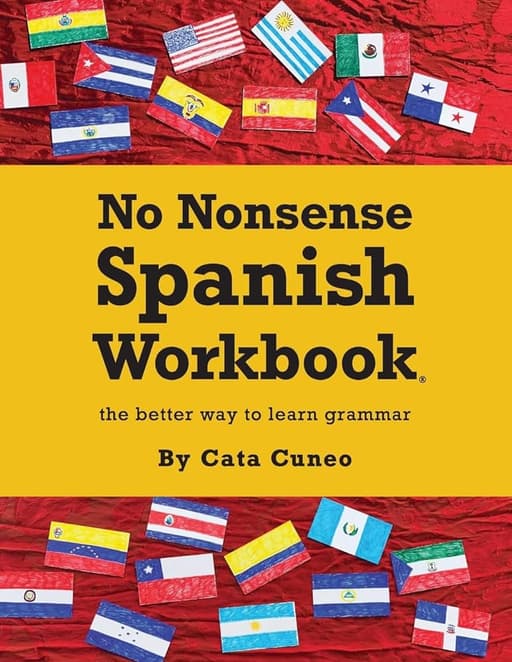
No Nonsense Spanish Workbook by Eric W. Vogt & My Daily Spanish

The Everything Learning Spanish Book by Julie Gutin
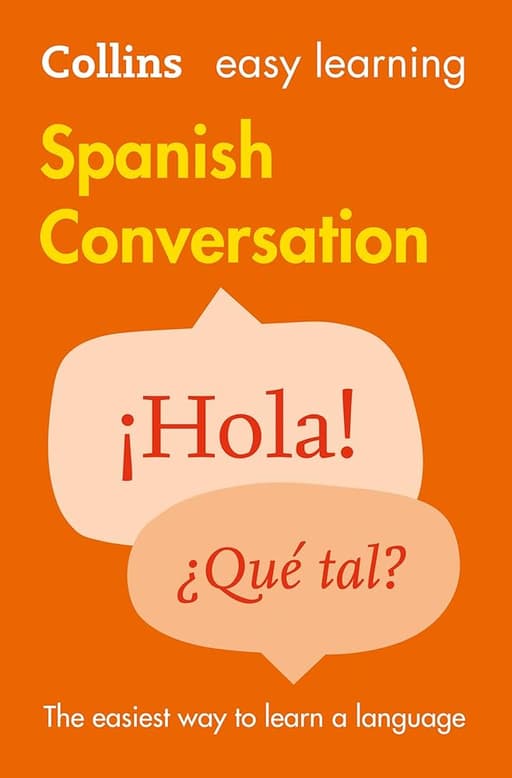
Collins Easy Learning: Spanish Conversation by Collins Dictionaries

Practice Makes Perfect: Spanish Conversation by Jean Yates
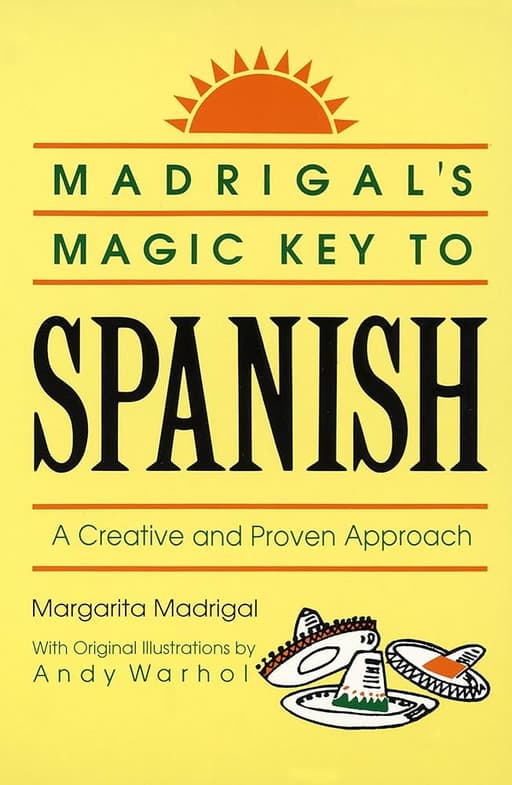
Madrigal's Magic Key to Spanish by Margarita Madrigal
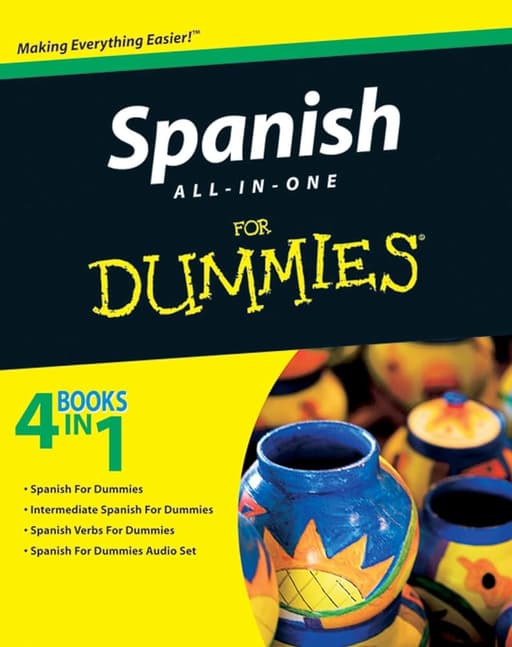
Spanish All-In-One For Dummies by Susana Wald & Cecie Kraynak
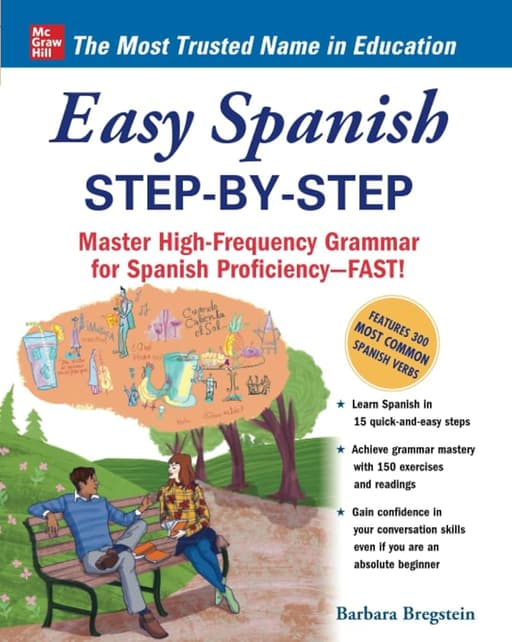
Easy Spanish Step-By-Step by Barbara Bregstein
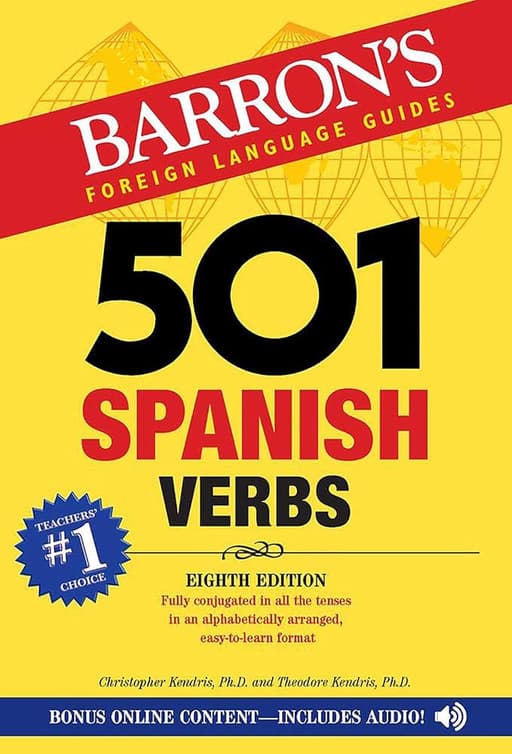
Barron’s 501 Spanish Verbs by Christopher Kendris and Theodore Kendris
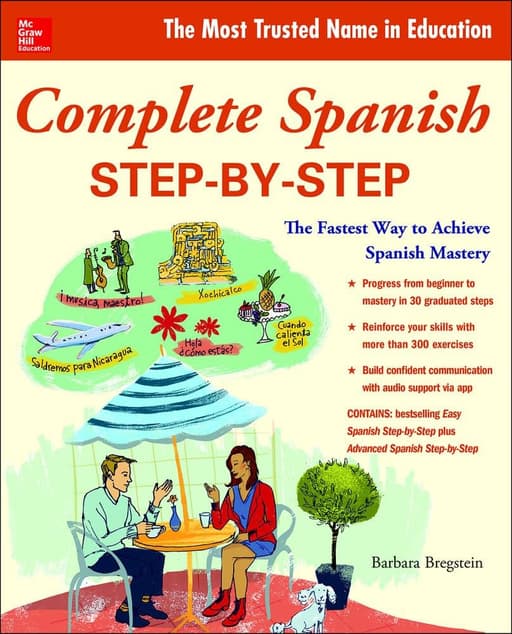
Complete Spanish Step-By-Step by Barbara Bregstein

Practice Makes Perfect: Complete Spanish Grammar by Gilda Nissenberg
All content was written by our AI and may contain a few mistakes. We may earn commissions on some links. Last updated: Wed Dec 3, 2025, 6:21 PM