
Haber vs Tener – Have (helping) vs Have (own)
Guía rápida sobre Haber vs Tener en español: diferencias, usos y ejemplos prácticos para entender cuándo usar cada verbo auxiliar y verbo principal.
A quick guide to Haber vs Tener in Spanish: differences, uses, and practical examples to understand when to use each auxiliary and main verb.
"Haber" and "tener" both translate as "have" in English, but they serve different functions: "haber" appears as an auxiliary (helping) verb or in impersonal expressions, while "tener" expresses possession, physical states, or obligations.
Haber
Use "haber" as an auxiliary to form compound tenses and in impersonal phrases where it means "there is," "there are," or "there has been." It does not change for ownership.
Utiliza "haber" como auxiliar para formar tiempos compuestos y en frases impersonales donde significa "hay". No cambia para indicar posesión.
I have already finished the homework.
Tener
Use "tener" to show actual possession, to describe physical or emotional states, and to express necessities or obligations with expressions like tener que plus an infinitive.
Utiliza "tener" para mostrar posesión real, describir estados físicos o emocionales, y para expresar necesidades u obligaciones con expresiones como tener que seguido de un infinitivo.
We are cold after getting out of the water.
Key Expressions
Learn common set phrases with "tener" for more natural speech, such as tener hambre, tener frío, and tener sueño, which describe feelings or needs rather than literal possession.
They are hungry after the game.
Summary
Remember: use "haber" for helping (compound tenses) and impersonal "there is/are" expressions, and use "tener" for owning, feeling, or needing something. This distinction keeps your meaning clear.
Examples
Examples
Examples
Suggested Reading

Practice Makes Perfect: Basic Spanish by Dorothy Richmond
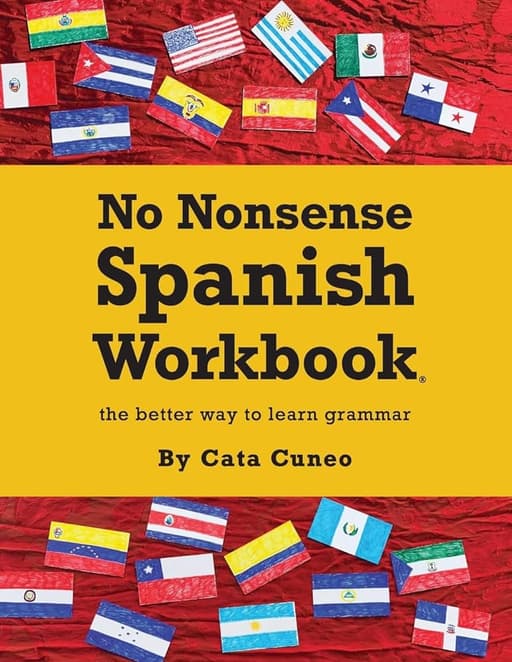
No Nonsense Spanish Workbook by Eric W. Vogt & My Daily Spanish

The Everything Learning Spanish Book by Julie Gutin
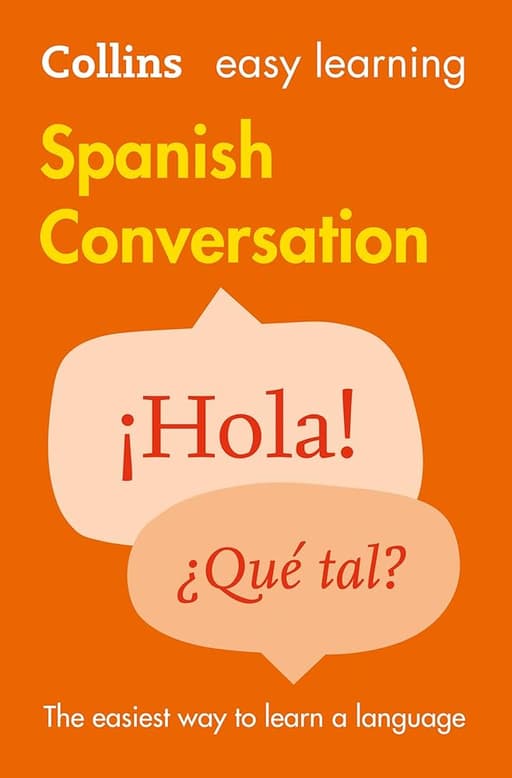
Collins Easy Learning: Spanish Conversation by Collins Dictionaries

Practice Makes Perfect: Spanish Conversation by Jean Yates
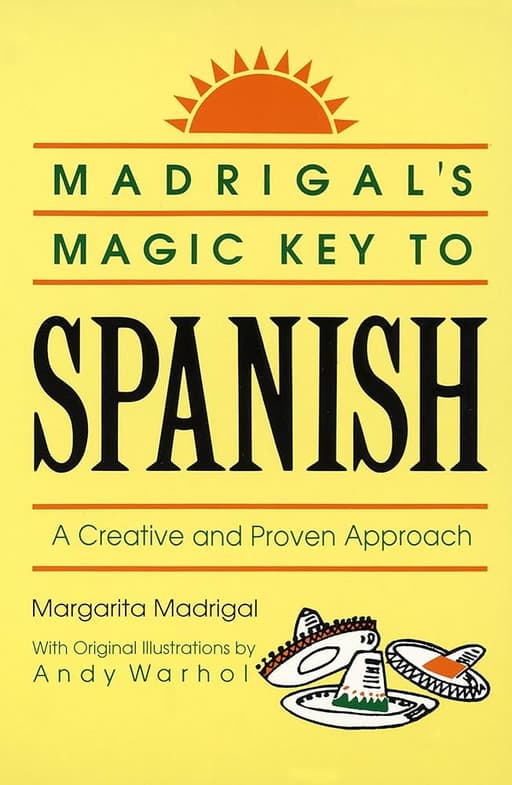
Madrigal's Magic Key to Spanish by Margarita Madrigal
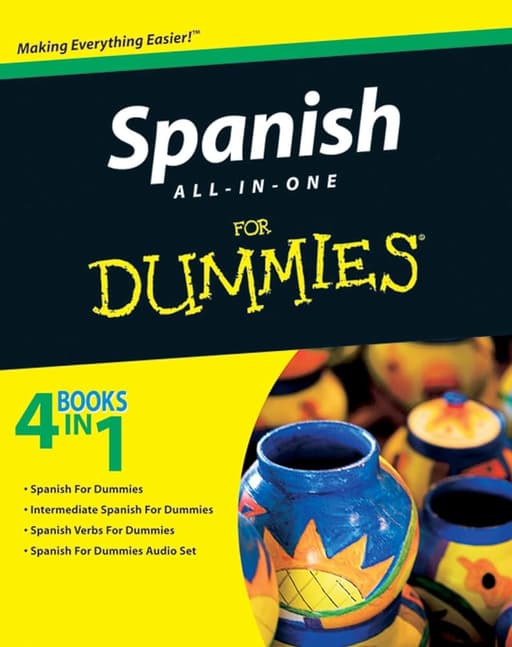
Spanish All-In-One For Dummies by Susana Wald & Cecie Kraynak
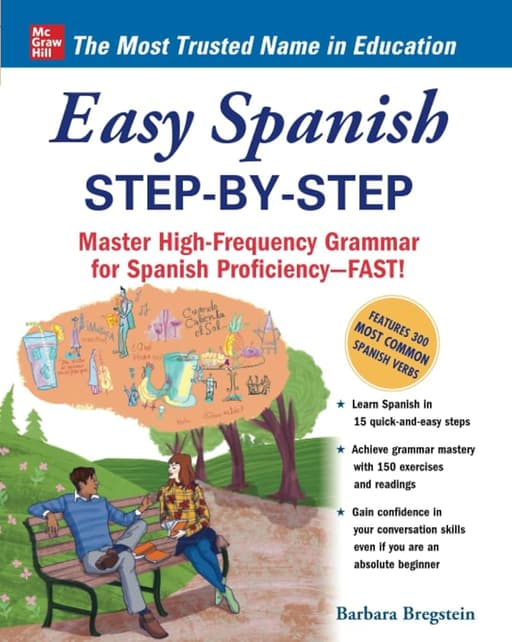
Easy Spanish Step-By-Step by Barbara Bregstein
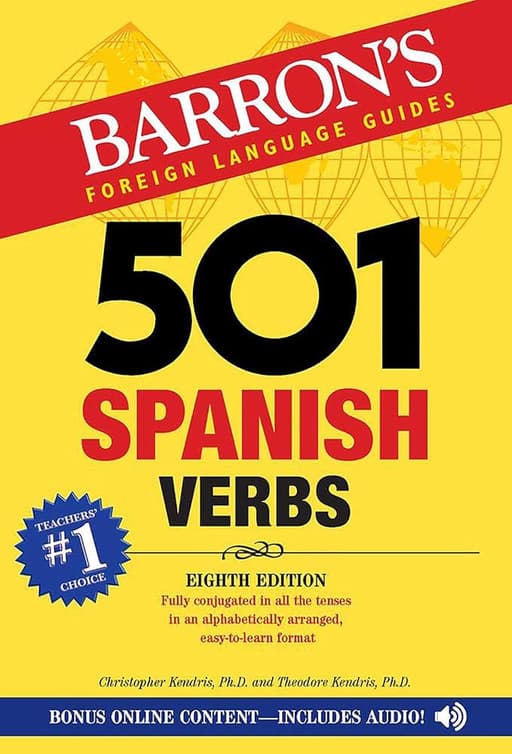
Barron’s 501 Spanish Verbs by Christopher Kendris and Theodore Kendris
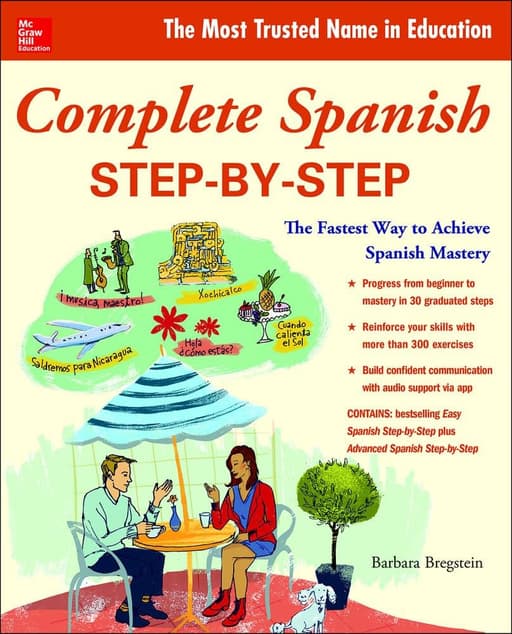
Complete Spanish Step-By-Step by Barbara Bregstein

Practice Makes Perfect: Complete Spanish Grammar by Gilda Nissenberg
All content was written by our AI and may contain a few mistakes. We may earn commissions on some links. Last updated: Wed Dec 3, 2025, 6:21 PM