
Grande vs Gran – Big vs Great
Aprende la diferencia entre Grande y Gran en español: reglas, ejemplos y uso correcto para describir tamaño y magnitud, con consejos prácticos, útiles de pronunciación y estilo.
Learn the difference between Grande and Gran in Spanish: rules, examples, and correct usage to describe size and magnitude, with practical tips, pronunciation guides, and style.
Spanish distinguishes gran and grande by position and meaning, so choosing one or the other changes whether you praise someone or simply note size. This short guide shows when to use gran (figurative "great") versus grande (literal "big") with clear examples.
Gran
Use gran before a singular noun to mean "great," "important," or "remarkable" rather than literally large; it emphasizes quality or status. Gran shortens grande and always precedes the noun to signal figurative value.
Usa gran antes de un sustantivo singular para significar "genial", "importante" o "destacado", en lugar de referirse literalmente a algo grande; enfatiza la calidad o el estatus. Gran es una forma abreviada de grande y siempre precede al sustantivo para señalar un valor figurado.
She is a great person who always helps others.
Grande
Use grande after the noun to describe physical size or literal largeness; it can appear with singular or plural nouns and retains its concrete meaning. Placing grande after the noun keeps the focus on measurable dimension rather than praise.
Usa grande después del sustantivo para describir el tamaño físico o la literalidad del tamaño; puede aparecer con sustantivos singulares o plurales y mantiene su significado concreto. Colocar grande después del sustantivo mantiene el enfoque en la dimensión medible en lugar del elogio.
The hall is big and has tall windows.
Examples
Summary
Remember: use gran before singular nouns for figurative "great" and grande after the noun for literal "big"; switching them changes meaning and nuance. Practice substituting each in short sentences to feel the difference between praise and size.
Spanish distinguishes gran and grande by position and meaning, so choosing one or the other changes whether you praise someone or simply note size. This short guide shows when to use gran (figurative "great") versus grande (literal "big") with clear examples.
Suggested Reading

Practice Makes Perfect: Basic Spanish by Dorothy Richmond
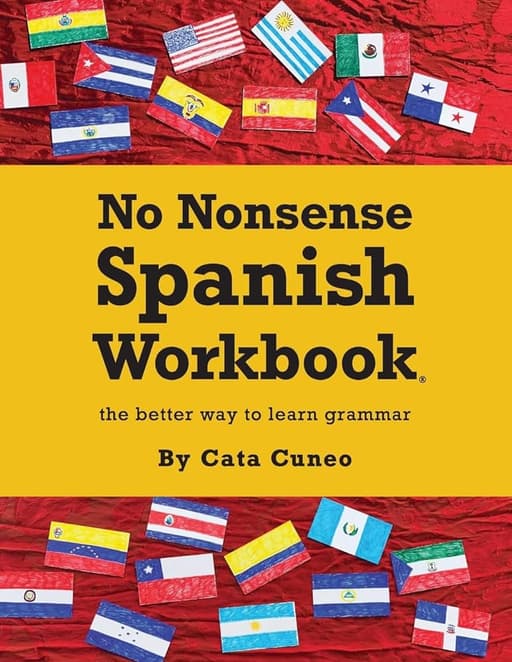
No Nonsense Spanish Workbook by Eric W. Vogt & My Daily Spanish

The Everything Learning Spanish Book by Julie Gutin
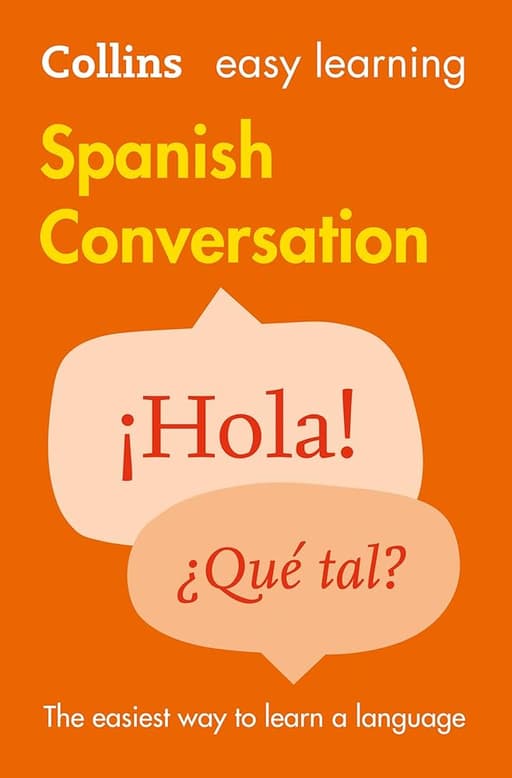
Collins Easy Learning: Spanish Conversation by Collins Dictionaries

Practice Makes Perfect: Spanish Conversation by Jean Yates
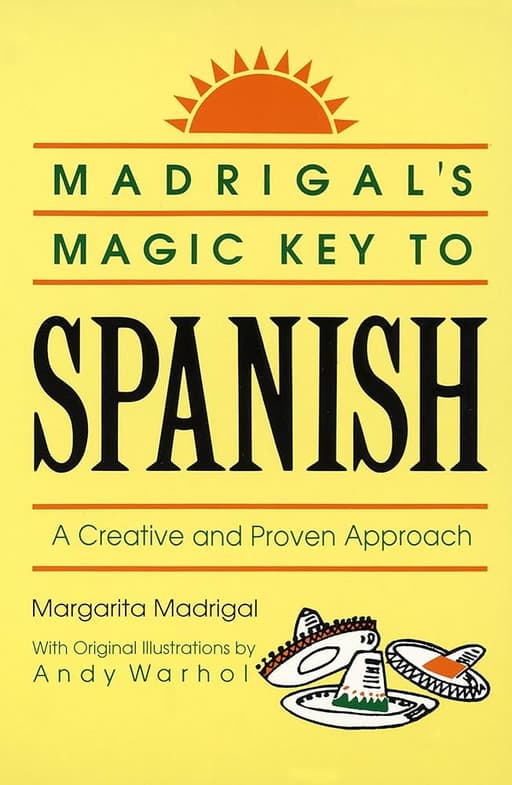
Madrigal's Magic Key to Spanish by Margarita Madrigal
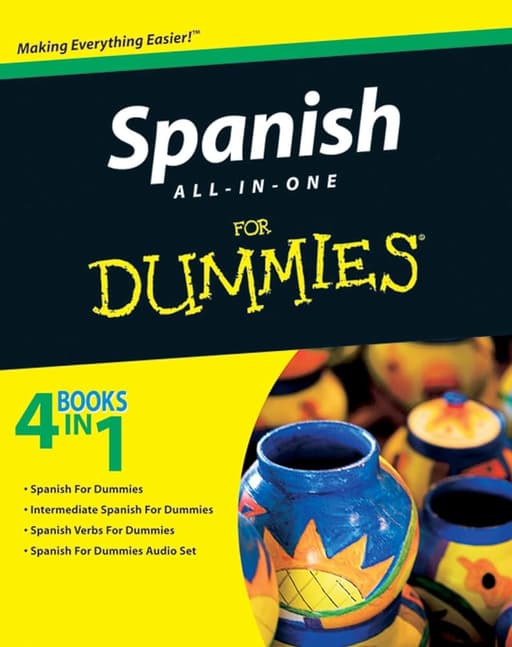
Spanish All-In-One For Dummies by Susana Wald & Cecie Kraynak
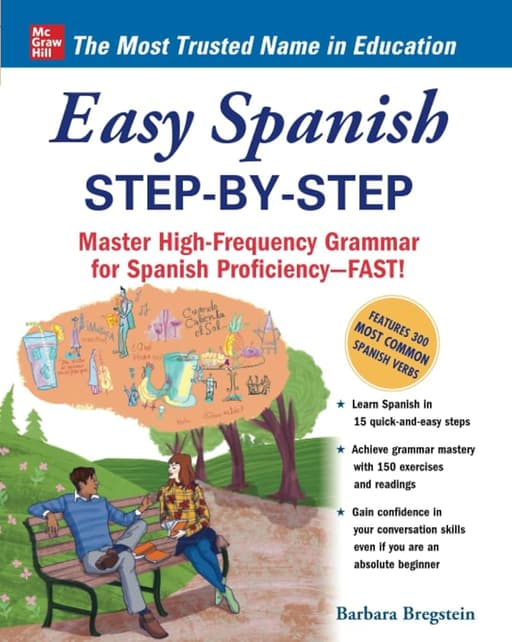
Easy Spanish Step-By-Step by Barbara Bregstein
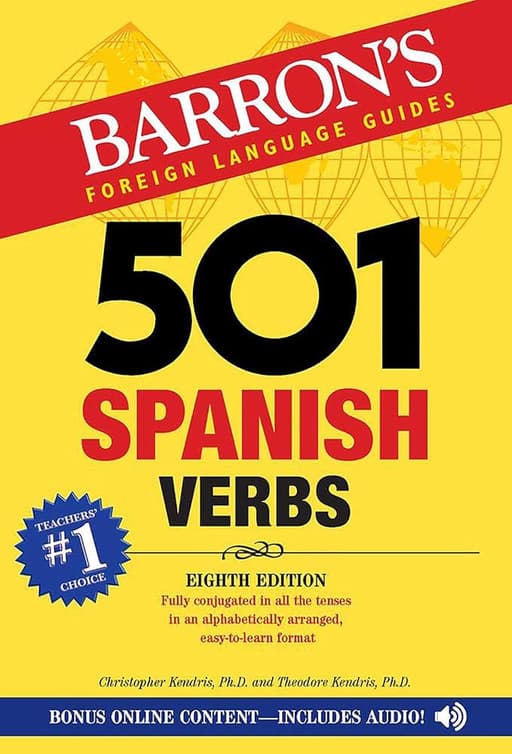
Barron’s 501 Spanish Verbs by Christopher Kendris and Theodore Kendris
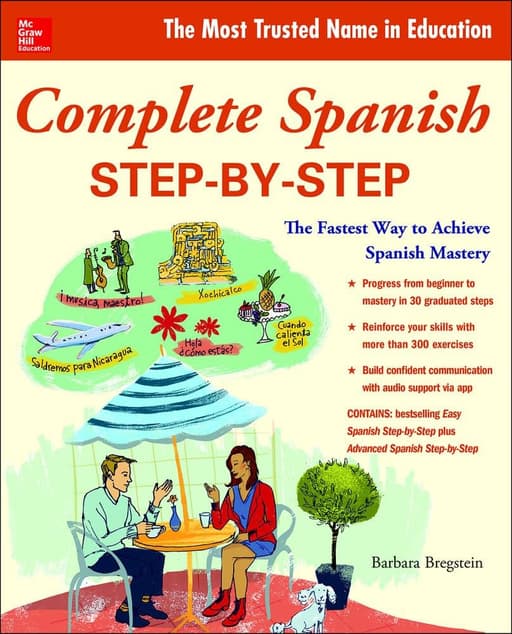
Complete Spanish Step-By-Step by Barbara Bregstein

Practice Makes Perfect: Complete Spanish Grammar by Gilda Nissenberg
All content was written by our AI and may contain a few mistakes. We may earn commissions on some links. Last updated: Wed Dec 3, 2025, 6:22 PM