
Common Greetings
Guía de Saludos Comunes en español: expresiones formales y informales para saludar, presentarte, despedirte y responder, con ejemplos, cortesía y pronunciación básica para conversaciones diarias.
Guide to Common Greetings in Spanish: formal and informal expressions to greet, introduce yourself, say goodbye, and respond, with examples, courtesy, and basic pronunciation for daily conversations.
Everyday greetings set the tone for social interactions and help you sound natural. This short guide covers the most useful phrases for different times and situations.
Basic Greetings
Basic greetings are used to say hello and ask how someone is in a friendly way. They work in almost any setting.
| Spanish Phrase | English Phrase | |
|---|---|---|
| Hola | Hello | |
| Buenos días | Good morning | |
| Buenas tardes | Good afternoon | |
| Buenas noches | Good evening / Good night |
Los saludos básicos se usan para decir hola y preguntar cómo está alguien de manera amistosa. Funcionan en casi cualquier entorno.
Hello
Asking How Someone Is
These common questions show interest in the other person and can be answered briefly or in more detail. Use tú for informal and usted for formal.
| Spanish Question | English Question | |
|---|---|---|
| ¿Cómo estás? | How are you? | |
| ¿Qué tal? | How’s it going? | |
| ¿Cómo te va? | How’s it going for you? | |
| ¿Cómo está usted? | How are you? (formal) |
Estas preguntas comunes muestran interés en la otra persona y pueden ser respondidas de manera breve o más detallada. Usa tú para informal y usted para formal.
How are you?
Typical Responses
Typical responses to ¿cómo estás? and similar questions range from short to more positive or neutral phrases. You can add gracias to be polite.
| Spanish Response | English Response | |
|---|---|---|
| Bien | Fine | |
| Muy bien | Very well | |
| Más o menos | So-so | |
| Mal | Bad |
Las respuestas típicas a ¿cómo estás? y preguntas similares varían desde frases cortas hasta más positivas o neutras. Puedes añadir gracias para ser cortés.
Very well
Farewells
Farewell phrases signal that the conversation is ending. Some are more casual and others more polite, so choose based on context.
| Spanish Farewell | English Farewell | |
|---|---|---|
| Adiós | Goodbye | |
| Hasta luego | See you later | |
| Hasta mañana | See you tomorrow | |
| Nos vemos | See you |
Las frases de despedida indican que la conversación está terminando. Algunas son más casuales y otras más formales, así que elige según el contexto.
Goodbye
Polite Expressions
Polite expressions like por favor and gracias are important in maintaining goodwill. Use them consistently in both greetings and other interactions.
| Spanish Expression | English Expression | |
|---|---|---|
| Por favor | Please | |
| Gracias | Thank you | |
| De nada | You’re welcome | |
| Perdón | Excuse me / Sorry |
Las expresiones de cortesía como por favor y gracias son importantes para mantener una buena relación. Úsalas de forma constante tanto en saludos como en otras interacciones.
Please
Summary
Basic greetings, common questions, and typical responses form the foundation of everyday Spanish interactions. Practice them aloud to sound natural and to use them smoothly in different situations.
Los saludos básicos, preguntas comunes y respuestas típicas forman la base de las interacciones cotidianas en español. Practícalos en voz alta para sonar natural y usarlos con fluidez en diferentes situaciones.
Suggested Reading

Practice Makes Perfect: Basic Spanish by Dorothy Richmond
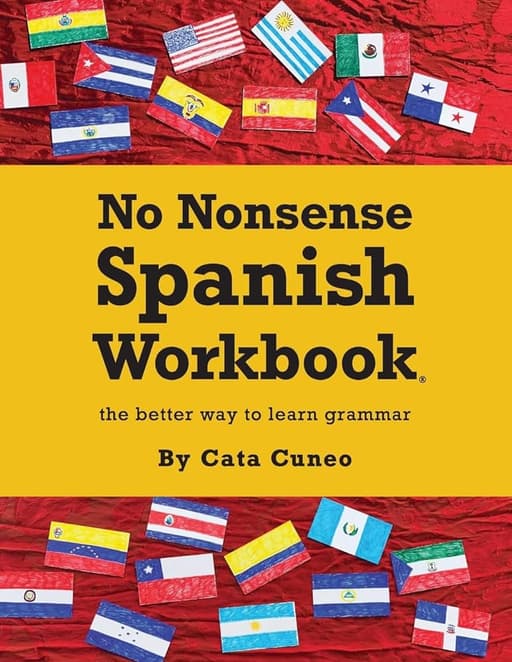
No Nonsense Spanish Workbook by Eric W. Vogt & My Daily Spanish

The Everything Learning Spanish Book by Julie Gutin
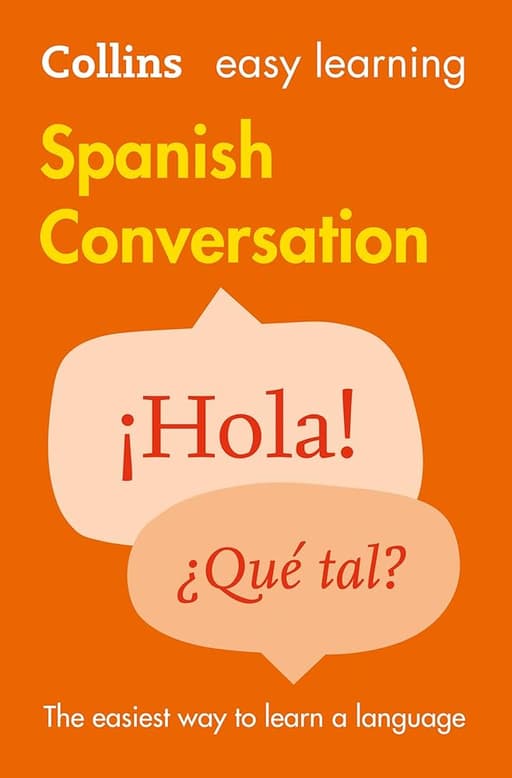
Collins Easy Learning: Spanish Conversation by Collins Dictionaries

Practice Makes Perfect: Spanish Conversation by Jean Yates
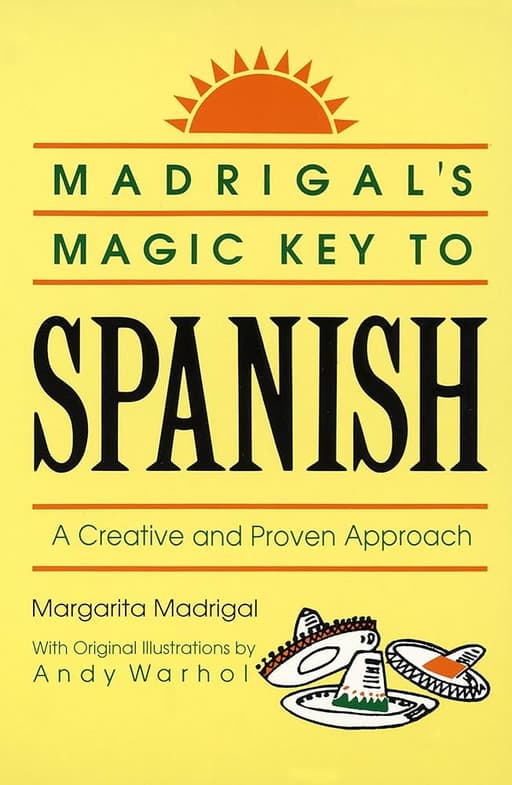
Madrigal's Magic Key to Spanish by Margarita Madrigal
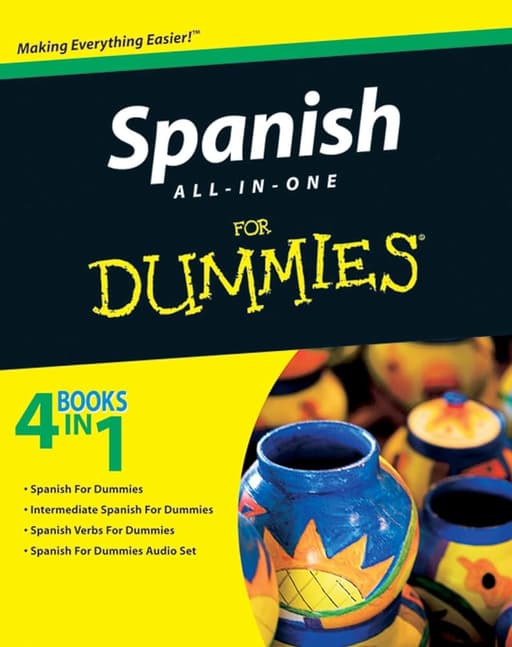
Spanish All-In-One For Dummies by Susana Wald & Cecie Kraynak
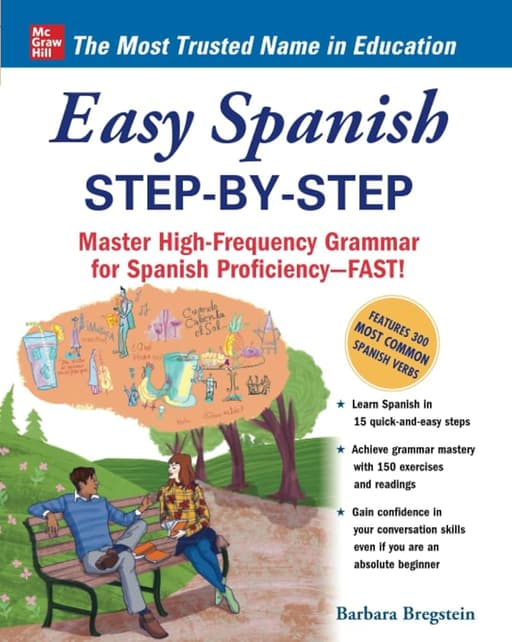
Easy Spanish Step-By-Step by Barbara Bregstein
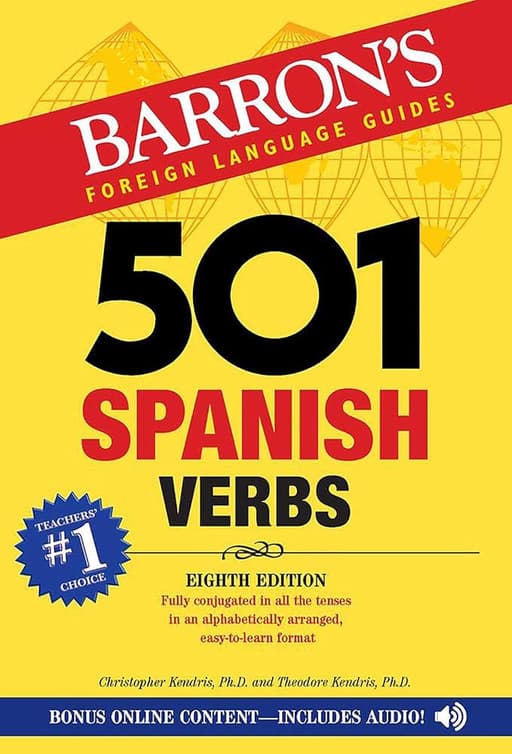
Barron’s 501 Spanish Verbs by Christopher Kendris and Theodore Kendris
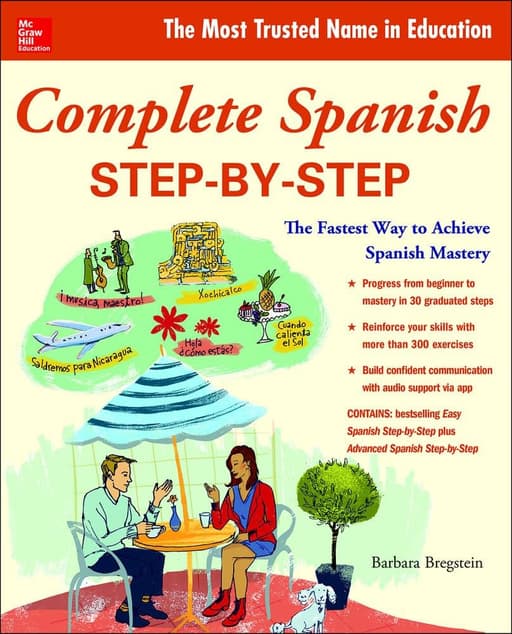
Complete Spanish Step-By-Step by Barbara Bregstein

Practice Makes Perfect: Complete Spanish Grammar by Gilda Nissenberg
All content was written by our AI and may contain a few mistakes. We may earn commissions on some links. Last updated: Wed Dec 3, 2025, 6:21 PM