
Comparisons
Guía de comparaciones en español: cómo formar y usar comparativos y superlativos, con estructuras más/menos, tan... como, tanto... como, y ejemplos prácticos para hablar y escribir con precisión.
Guide to comparisons in Spanish: how to form and use comparatives and superlatives, with structures more/less, tan... como, tanto... como, and practical examples for speaking and writing with precision.
Comparisons let you highlight similarities and differences using straightforward structures that pair naturally with adjectives, adverbs, nouns, and verbs. This guide covers the basic comparative and superlative forms plus useful expressions for equal and unequal comparisons.
Comparative
The comparative shows that one thing has more, less, or a different degree of some quality than another. Use más + adjective + que for "more than" and menos + adjective + que for "less than." With más and menos the adjective agrees in gender and number with the noun it modifies.
...más... que
Use más + adjective + que to indicate that one noun or action exceeds another in some quality or quantity. This construction works with adjectives, adverbs, nouns, and verbs.
Usa más + adjetivo + que para indicar que un sustantivo o acción supera a otro en alguna cualidad o cantidad. Esta construcción funciona con adjetivos, adverbios, sustantivos y verbos.
My station is more intense than your station.
...menos... que
Use menos + adjective + que to show that one noun or action falls short of another in some respect. It parallels the más... que structure.
Usa menos + adjetivo + que para mostrar que un sustantivo o acción queda por debajo de otro en algún aspecto. Es paralela a la estructura de más... que.
My city has fewer historic sites than yours.
Adjective Agreement
Adjectives in Spanish agree in gender and number with the noun they describe, so make sure más or menos is followed by an adjective that matches its noun. This agreement helps keep comparisons clear and precise.
This museum is more interesting than that gallery.
El comparativo muestra que una cosa tiene más, menos o un grado diferente de alguna cualidad en comparación con otra. Usa más + adjetivo + que para "más que" y menos + adjetivo + que para "menos que". Con más y menos, el adjetivo concuerda en género y número con el sustantivo que modifica.
Equality
To express that two things are equal in some way, use tan + adjective or adverb + como for qualities and tanto/a/os/as + noun + como for quantities. Use tanto in its four forms to match the noun it modifies.
...tan... como
Use tan + adjective or adverb + como to say that two things are equal in degree for descriptive words and manners. This structure keeps comparisons balanced.
Usa tan + adjetivo o adverbio + como para decir que dos cosas son iguales en grado para palabras descriptivas y maneras. Esta estructura mantiene las comparaciones equilibradas.
My station is as important as yours.
...tanto/a/os/as... como
Use tanto/a/os/as + noun + como to compare equal amounts of countable or uncountable things. Make sure tanto agrees with the noun's gender and number.
Usa tanto/a/os/as + sustantivo + como para comparar cantidades iguales de cosas contables o incontables. Asegúrate de que tanto concuerde con el género y el número del sustantivo.
We have as many tickets as they do.
Verbs
Use tanto como after a verb to compare actions when no noun comes between the comparison words. This form keeps comparisons neat and avoids unnecessary repetition.
Para expresar que dos cosas son iguales en alguna forma, usa tan + adjetivo o adverbio + como para cualidades y tanto/a/os/as + sustantivo + como para cantidades. Usa tanto en sus cuatro formas para concordar con el sustantivo que modifica.
Superlative
The superlative highlights the extreme degree of a quality within a group, using el/la/los/las + más or menos + adjective + de. This construction singles out the top or bottom example.
El/la más / menos ... de
Use the superlative with definite articles and de to specify the thing that has the highest or lowest degree of an adjective within a set. This form works for places, groups, and categories.
She is the most important artist in the collection.
Adjective Agreement
As with comparatives, the adjective in a superlative phrase must agree in gender and number with the noun it modifies. This agreement ensures that the superlative clearly describes its target.
This museum is more interesting than that gallery.
Summary
Comparisons use más, menos, tan, and tanto for relative and equal degrees, while superlatives use definite articles plus más or menos to mark extremes. Adjective agreement matters in every example. Practice these patterns with familiar adjectives and nouns to make comparisons natural.
El superlativo destaca el grado extremo de una cualidad dentro de un grupo, usando el/la/los/las + más o menos + adjetivo + de. Esta construcción señala el ejemplo superior o inferior.
Vocabulary
Learn the key comparative words and useful adjectives that frequently appear in comparison sentences. This small set covers common qualities like size, speed, and importance.
| Spanish Word(s) | English Word(s) | |
|---|---|---|
| más | more | |
| menos | less | |
| tan | as (equal) | |
| tanto, tanta, tantos, tantas | so much, so many | |
| como | than / as | |
| mejor | better | |
| peor | worse | |
| mayor | older / greater | |
| menor | younger / lesser | |
| rápido | fast | |
| lento | slow | |
| grande | big | |
| pequeño | small | |
| importante | important | |
| alto | tall / high | |
| bajo | short / low |
Aprende las palabras comparativas clave y los adjetivos útiles que aparecen frecuentemente en oraciones de comparación. Este pequeño conjunto cubre cualidades comunes como tamaño, velocidad e importancia.
Summary
Use más / menos + adjective + que for unequal comparisons, tan / tanto + como for equal ones, and el/la/los/las + más / menos + adjective + de for superlatives. Remember adjective agreement and choose the comparative form that fits whether you compare qualities, quantities, or actions.
Suggested Reading

Practice Makes Perfect: Basic Spanish by Dorothy Richmond
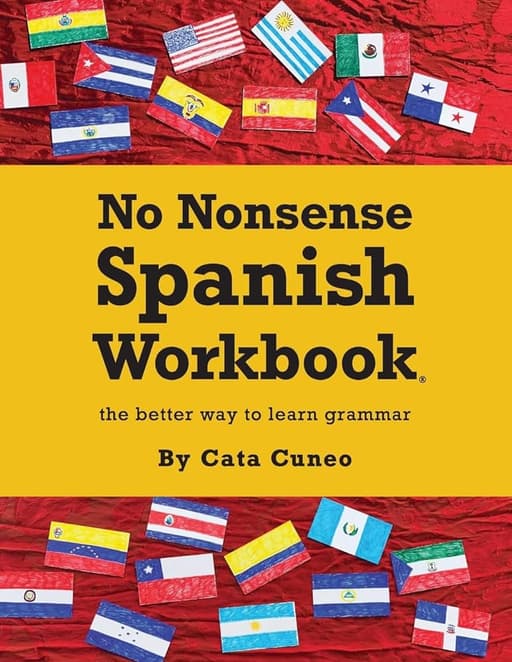
No Nonsense Spanish Workbook by Eric W. Vogt & My Daily Spanish

The Everything Learning Spanish Book by Julie Gutin
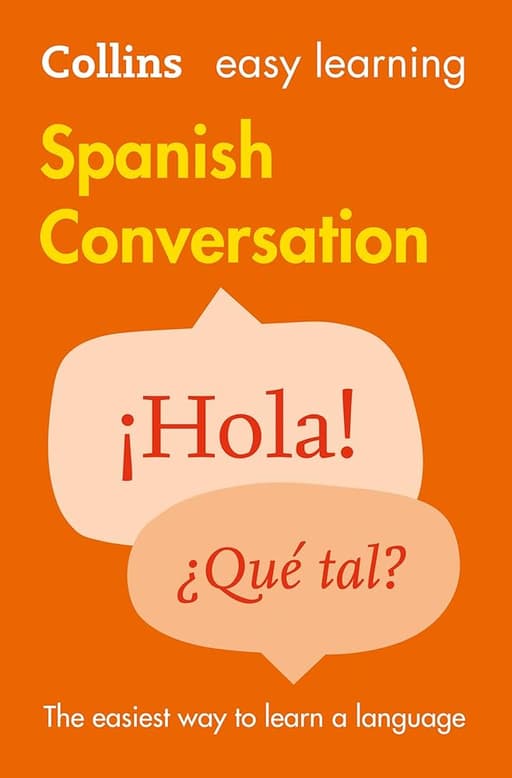
Collins Easy Learning: Spanish Conversation by Collins Dictionaries

Practice Makes Perfect: Spanish Conversation by Jean Yates
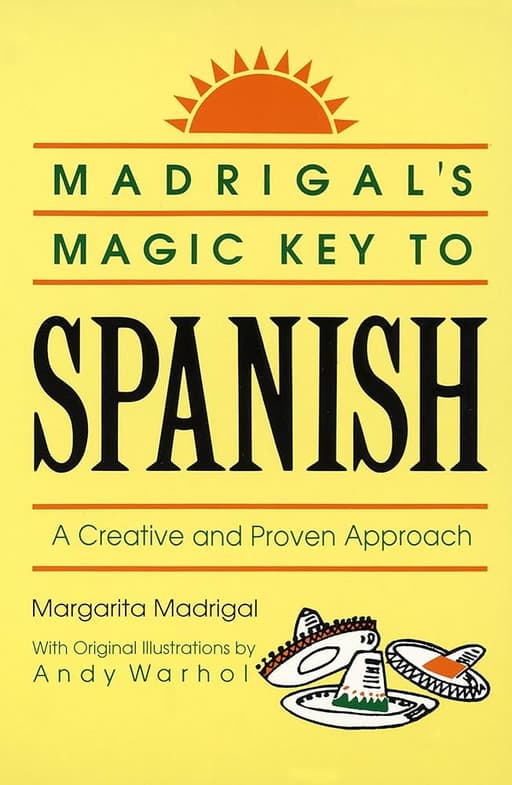
Madrigal's Magic Key to Spanish by Margarita Madrigal
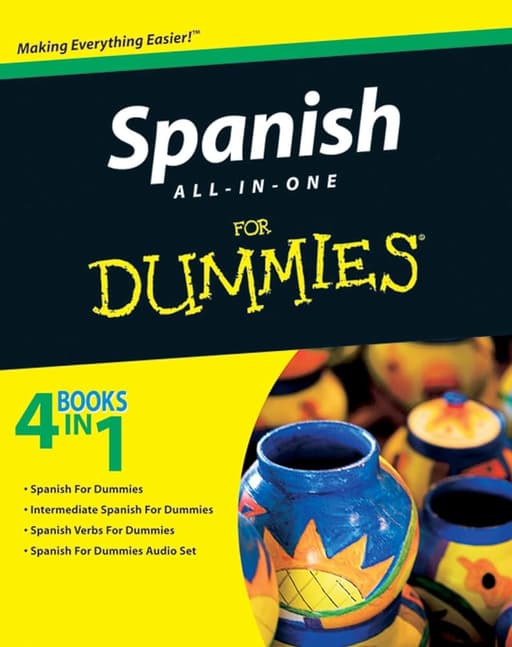
Spanish All-In-One For Dummies by Susana Wald & Cecie Kraynak
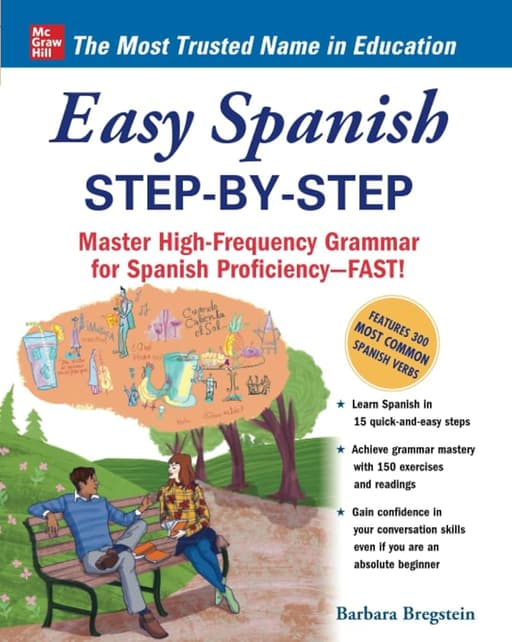
Easy Spanish Step-By-Step by Barbara Bregstein
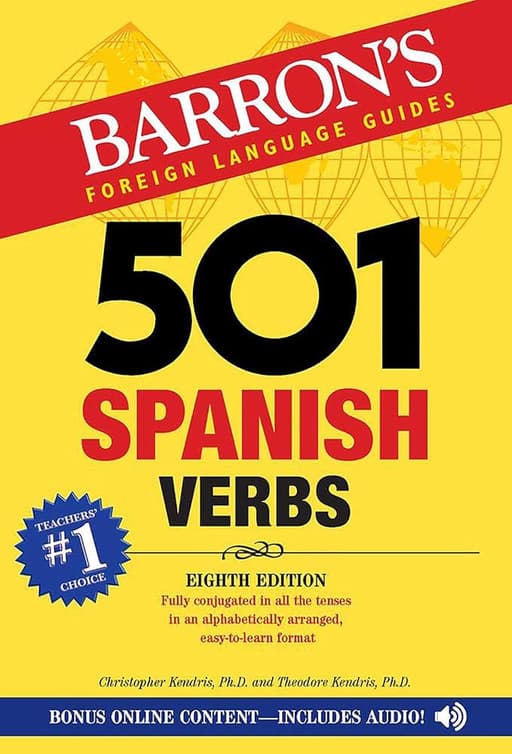
Barron’s 501 Spanish Verbs by Christopher Kendris and Theodore Kendris
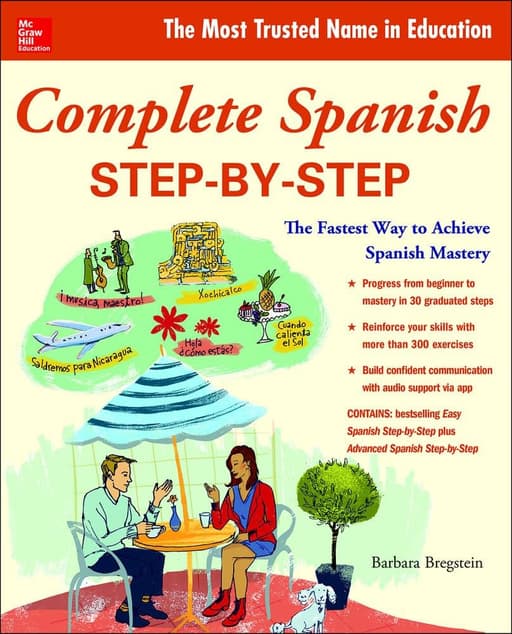
Complete Spanish Step-By-Step by Barbara Bregstein

Practice Makes Perfect: Complete Spanish Grammar by Gilda Nissenberg
All content was written by our AI and may contain a few mistakes. We may earn commissions on some links. Last updated: Wed Dec 3, 2025, 6:21 PM