
Formal vs Informal Speech
Spanish distinguishes between polite and familiar forms of address through different pronouns and verb endings, so choosing formal or informal speech shapes social tone and respect.
Du / Usted
Use tú for informal address with friends, family, and peers, and use usted for formal address in respectful or professional contexts. Usted triggers third-person verb forms, while tú uses second-person forms.
Usa tú para el discurso informal con amigos, familiares y compañeros, y usa usted para el discurso formal en contextos respetuosos o profesionales. Usted activa formas verbales en tercera persona, mientras que tú usa formas en segunda persona.
Do you speak with me?
Vos
Vos is a regional informal pronoun used in parts of Latin America like Argentina, Uruguay, and Central America, and it has its own distinctive conjugations. It often replaces tú in everyday speech.
Vos es un pronombre informal regional utilizado en algunas regiones de América Latina como Argentina, Uruguay, y Centroamérica, y tiene conjugaciones propias. Frecuentemente reemplaza a tú en el habla cotidiana.
What do you (vos) remember from that day?
Forms
| Spanish Form | English Form | |
|---|---|---|
| tú | you (informal) | |
| usted | you (formal) | |
| vos | you (informal, regional) |
(Aquí irían las diferentes conjugaciones verbales correspondientes a tú, usted, y vos, según corresponda.)
Examples
(Ejemplos de frases usando tú, usted, y vos en diferentes contextos.)
Politeness
Formal speech with usted signals respect, distance, or deference, while tú creates a friendly, casual tone. Choose formality based on social roles, setting, and relationship.
El discurso formal con usted indica respeto, distancia o deferencia, mientras que tú crea un tono amigable y casual. La elección de formalidad depende de roles sociales, el contexto, y la relación entre interlocutores.
Market
In markets, shops, and restaurants, staff often use usted when speaking to customers to maintain politeness. Customers typically respond with usted or tú depending on the situation.
En mercados, tiendas y restaurantes, el personal suele usar usted al dirigirse a los clientes para mantener la cortesía. Los clientes, generalmente, responden con usted o tú según la situación.
Thank you, do you (tú) see anything else?
Summary
Spanish divides address into formal usted and informal tú* and regional *vos, and consistent use of the appropriate pronoun and verb form helps communicate respect or familiarity.
El español divide el modo de dirigirse en formal usted e informal (tú y vos regional), y el uso coherente del pronombre y la forma verbal adecuada ayuda a comunicar respeto o familiaridad.
Suggested Reading

Practice Makes Perfect: Basic Spanish by Dorothy Richmond
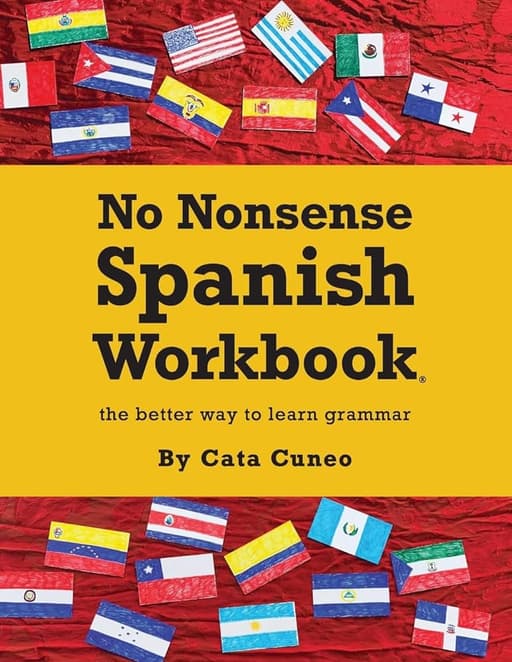
No Nonsense Spanish Workbook by Eric W. Vogt & My Daily Spanish

The Everything Learning Spanish Book by Julie Gutin

Collins Easy Learning: Spanish Conversation by Collins Dictionaries

Practice Makes Perfect: Spanish Conversation by Jean Yates

Madrigal's Magic Key to Spanish by Margarita Madrigal

Spanish All-In-One For Dummies by Susana Wald & Cecie Kraynak

Easy Spanish Step-By-Step by Barbara Bregstein

Barron’s 501 Spanish Verbs by Christopher Kendris and Theodore Kendris

Complete Spanish Step-By-Step by Barbara Bregstein

Practice Makes Perfect: Complete Spanish Grammar by Gilda Nissenberg
All content was written by our AI and may contain a few mistakes. We may earn commissions on some links. Last updated: Wed Dec 3, 2025, 6:21 PM