
Direct vs Indirect Speech
In Spanish, direct speech repeats exactly what someone said. Indirect speech conveys their message without quoting them word for word. This guide dives into both and touches on indirect questions.
Direct Speech
Direct speech repeats a speaker's exact words and typically uses quotation marks or dashes. The reporting verb introduces the quote and keeps the original tense and person.
Format
Show the speaker with a reporting verb, then include the exact phrase between quotes or after a dash, and keep the verbal forms as in the original utterance.
Examples
Indirect Speech
Indirect speech reports what someone said without quoting verbatim, often introduced by que and requiring adjustments to tense, pronouns, and time expressions.
Format
Use a reporting verb followed by que for statements, and change the original sentence to fit the new perspective and time frame with appropriate backshifts.
Examples
Backshifting Tenses
Backshifting moves verb tenses back one step when changing from direct to indirect speech aligning the reported action with the reporting time and preserving meaning.
Present Tense to Imperfect
When the original is in the present, the reported clause commonly shifts to the imperfect: estoy becomes estaba to show a past-referenced ongoing state.
| Direct Speech Spanish | Indirect Speech Spanish | Direct Speech English | Indirect Speech English | |
|---|---|---|---|---|
| "Estoy en la playa" | estaba en la playa | "I am at the beach" | I was at the beach | |
| "Estoy cansado" | estaba cansado | "I am tired" | I was tired | |
| "Estoy listo" | estaba listo | "I am ready" | I was ready |
Direct: "I am on the shore." → Indirect: He said that he was on the shore.
Preterite to Past Perfect
A preterite in direct speech typically becomes the past perfect in indirect speech to show an earlier completed action relative to the reporting moment.
| Direct Speech Spanish | Indirect Speech Spanish | Direct Speech English | Indirect Speech English | |
|---|---|---|---|---|
| "He terminado" | había terminado | "I have finished" | I had finished | |
| "Has llegado" | habías llegado | "You have arrived" | You had arrived | |
| "Han comido" | habían comido | "They have eaten" | They had eaten |
Direct: "We ate early." → Indirect: They said they had already eaten.
Future to Conditional
Future forms in direct speech usually shift to the conditional in indirect speech, so iré becomes iría to reflect reported intent from a past perspective.
| Direct Speech Spanish | Indirect Speech Spanish | Direct Speech English | Indirect Speech English | |
|---|---|---|---|---|
| "Irá a la playa" | iría a la playa | "He will go to the beach" | He would go to the beach | |
| "Iremos al mar" | iríamos al mar | "We will go to the sea" | We would go to the sea | |
| "Irán a surfear" | irían a surfear | "They will go surfing" | They would go surfing |
Direct: "I will go to the pier." → Indirect: He said that he would go to the pier.
Indirect Questions
Indirect questions embed a question within a reporting structure, dropping quotation marks and using introductory verbs plus the appropriate question word like cuándo, dónde or si.
Format
Begin with a reporting verb, follow with the question word if needed, and state the clause as a declarative sentence while backshifting tense when required.
Examples
Summary
Direct speech keeps the original wording, punctuation, and tense; indirect speech reframes the message within the narrator's perspective with any needed backshifts and time changes.
Suggested Reading

Practice Makes Perfect: Basic Spanish by Dorothy Richmond
No Nonsense Spanish Workbook by Eric W. Vogt & My Daily Spanish

The Everything Learning Spanish Book by Julie Gutin
Collins Easy Learning: Spanish Conversation by Collins Dictionaries

Practice Makes Perfect: Spanish Conversation by Jean Yates
Madrigal's Magic Key to Spanish by Margarita Madrigal
Spanish All-In-One For Dummies by Susana Wald & Cecie Kraynak
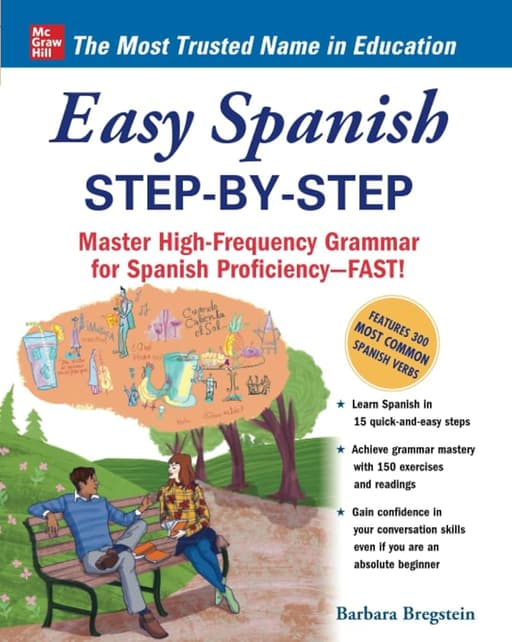
Easy Spanish Step-By-Step by Barbara Bregstein
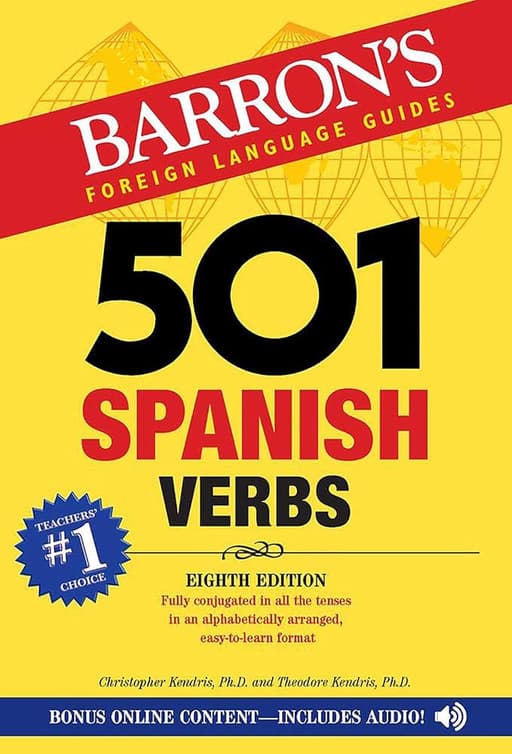
Barron’s 501 Spanish Verbs by Christopher Kendris and Theodore Kendris
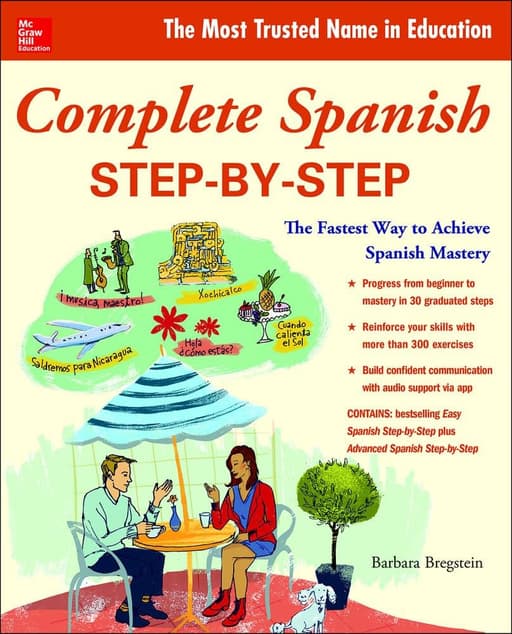
Complete Spanish Step-By-Step by Barbara Bregstein

Practice Makes Perfect: Complete Spanish Grammar by Gilda Nissenberg
All content was written by our AI and may contain a few mistakes. We may earn commissions on some links. Last updated: Wed Dec 3, 2025, 6:22 PM