
Kommen – Komme, Kommst, Kommt, Kommen, Kam
Lerne die Konjugation des Verbs kommen im Deutschen: Präsensformen (ich komme, du kommst, er kommt, wir kommen, ihr kommt, sie kommen) und Präteritum (kam). Enthält Beispiele und Tipps zum richtigen Gebrauch.
Learn the conjugation of the German verb kommen: present tense forms (I come, you come, he comes, we come, you come, they come) and the simple past (came). Includes examples and tips for correct usage.
Kommen means "to come" and is a common verb used to talk about arriving, attending, or moving toward a place. Below are its present and simple past forms so you can use it in typical sentences.
Present
The present tense of kommen shows habitual or near-future coming and follows the regular pattern for an -en verb.
| German Word(s) | English Word(s) | |
|---|---|---|
| ich komme | I come/I am coming | |
| du kommst | you come/you are coming | |
| er/sie/es kommt | he/she/it comes/is coming | |
| wir kommen | we come/we are coming | |
| ihr kommt | you (pl.) come/are coming | |
| sie/Sie kommen | they/you (formal) come/are coming |
Das Präsens von kommen zeigt gewohnte oder nah-zukünftige Ankunft und folgt dem regulären Muster für ein -en Verb.
I come/I am coming home.
Simple Past (Präteritum)
The simple past of kommen is kam in the singular and kamen in the plural, used for narratives and reports.
| German Word(s) | English Word(s) | |
|---|---|---|
| ich kam | I came | |
| du kamst | you came | |
| er/sie/es kam | he/she/it came | |
| wir kamen | we came | |
| ihr kamt | you (pl.) came | |
| sie/Sie kamen | they/you (formal) came |
Das Präteritum von kommen ist kam im Singular und kamen im Plural, verwendet für Erzählungen und Berichte.
Yesterday I came home late.
Usage
Use kommen to describe physical arrival, attending events, or metaphorical coming like ideas or seasons. It can be combined with prepositions for more precise meaning.
Verwenden Sie kommen, um physische Ankunft, die Teilnahme an Veranstaltungen oder metaphorisches Kommen wie Ideen oder Jahreszeiten zu beschreiben. Es kann mit Präpositionen kombiniert werden, um eine genauere Bedeutung zu vermitteln.
Summary
Kommen is a fundamental verb for talking about arrival and movement toward a place. Learn the present forms for everyday use and the simple past for telling stories.
Kommen ist ein grundlegendes Verb, um über Ankunft und Bewegung in Richtung eines Ortes zu sprechen. Lernen Sie die Präsensformen für den Alltag und das Präteritum, um Geschichten zu erzählen.
Suggested Reading
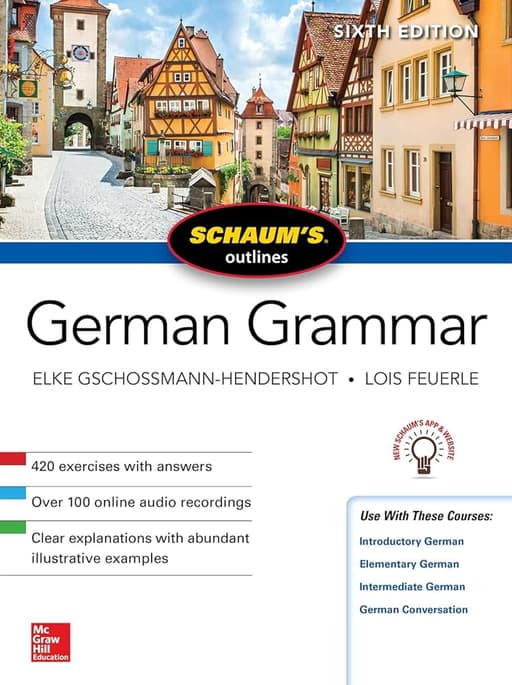
Schaum’s Outline of German Grammar by Bruce Donaldson & others
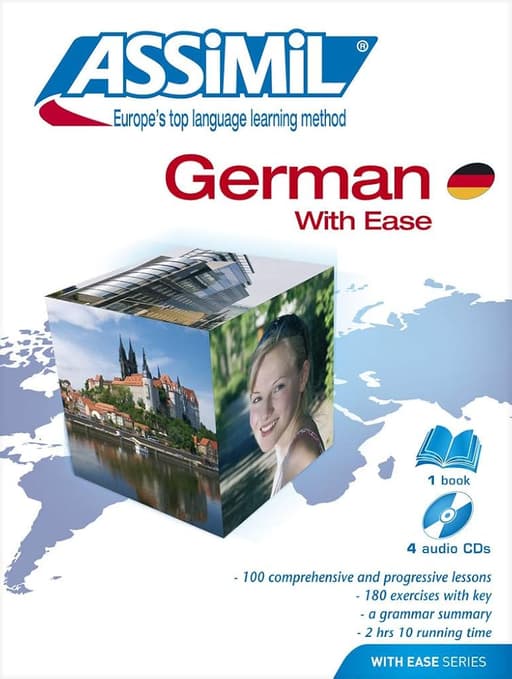
Assimil: German with Ease by Assimil (publisher)
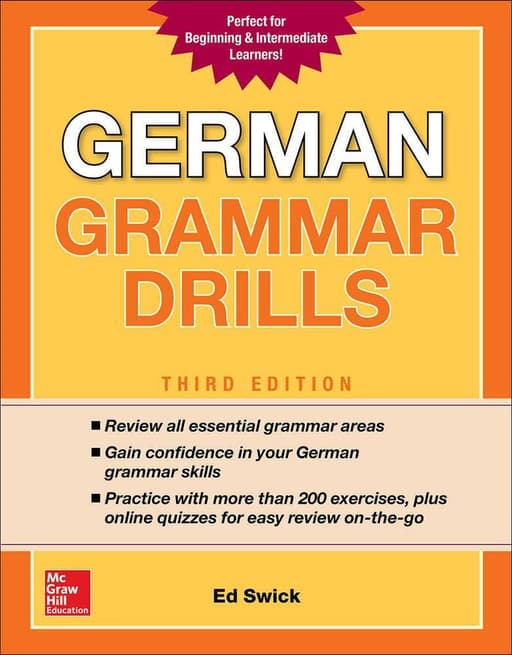
German Grammar Drills by Astrid Henschel
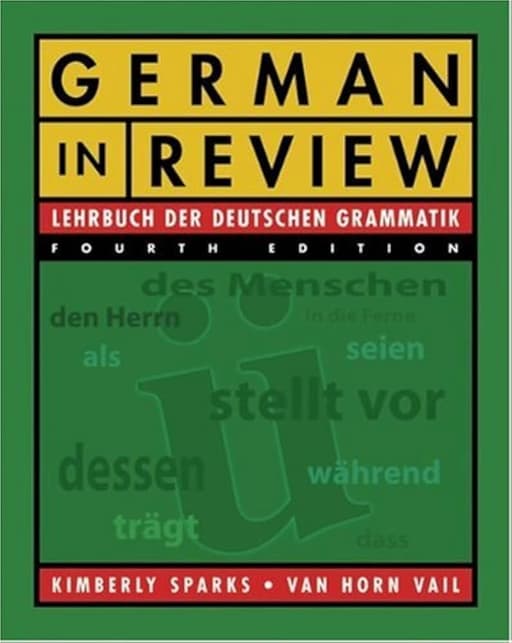
German in Review by Robert Di Donato (et al.)

Easy German Step-By-Step by Ed Swick
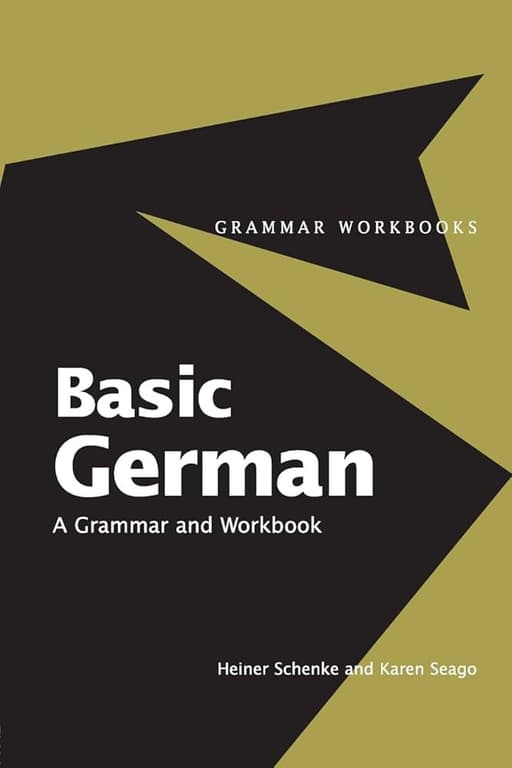
Basic German: A Grammar and Workbook by Heiner Schenke & Karen Seago

German All-in-One For Dummies by Wald & Kraynak

Deutsch im Blick by University of Texas (et al.)
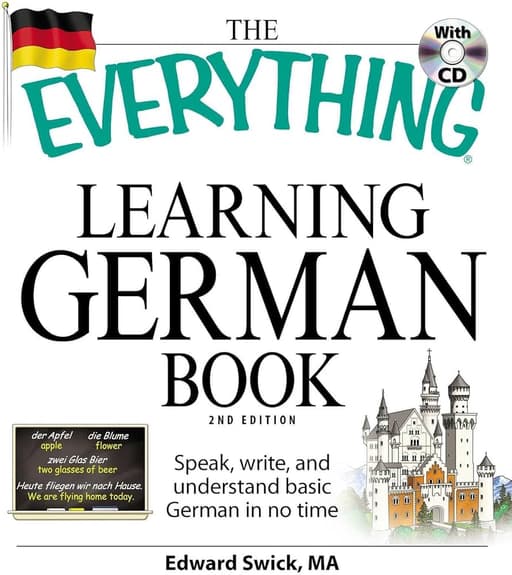
The Everything Learning German Book by Edward Swick
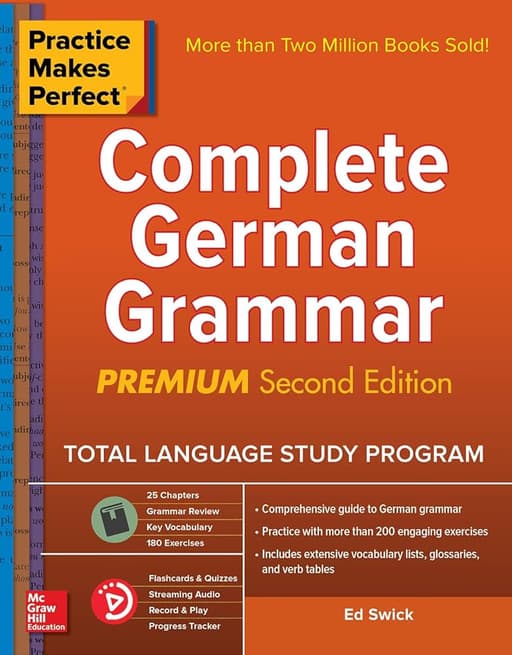
Practice Makes Perfect: Complete German Grammar by Ed Swick
All content was written by our AI and may contain a few mistakes. We may earn commissions on some links. Last updated: Wed Dec 3, 2025, 6:21 PM