
Erklären – Erkläre, Erklärst, Erklärt, Erklären, Erklärte
Dieser Leitfaden erklärt das Deutsch-Verb erklären: Infinitiv, Konjugation (ich erkläre, du erklärst, er erklärt, wir erklären, ihr erklärt, sie erklären) und häufige Stolperfallen mit Beispielen.
This guide explains the German verb erklären: infinitive, conjugation (ich erkläre, du erklärst, er erklärt, wir erklären, ihr erklärt, sie erklären) and common pitfalls with examples.
This short guide covers the verb erklären (‘to explain’) in key forms for talking about explanations in German.
Usage
Use erklären when someone makes something clear or gives an account of how something works. It applies to spoken, written, and sometimes demonstrated explanations.
Verwenden Sie erklären, wenn jemand etwas klar macht oder eine Erklärung darüber abgibt, wie etwas funktioniert. Es gilt für mündliche, schriftliche und manchmal demonstrative Erklärungen.
Present
The present tense shows regular, repeated, or current acts of explaining. Use it for instructions, habits, and general statements.
Conjugation
Here is erklären in the present tense with each pronoun. Notice the stem erklär- stays consistent.
| German Word | English Word | |
|---|---|---|
| ich erkläre | I explain | |
| du erklärst | you explain | |
| er/sie/es erklärt | he/she/it explains | |
| wir erklären | we explain | |
| ihr erklärt | you (pl) explain | |
| sie/Sie erklären | they/you (formal) explain |
Das Präsens zeigt regelmäßige, wiederholte oder gegenwärtige Erklärungsakte. Nutzen Sie es für Anweisungen, Gewohnheiten und allgemeine Aussagen.
Past (Präteritum)
The Präteritum describes completed actions in the past and is common in writing and storytelling. For erklären, it follows a regular pattern.
Conjugation
Here is erklären in the Präteritum with each pronoun. The stem changes to erklärte- and endings attach as usual.
| German Word | English Word | |
|---|---|---|
| ich erklärte | I explained | |
| du erklärtest | you explained | |
| er/sie/es erklärte | he/she/it explained | |
| wir erklärten | we explained | |
| ihr erklärtet | you (pl) explained | |
| sie/Sie erklärten | they/you (formal) explained |
Das Präteritum beschreibt abgeschlossene Handlungen in der Vergangenheit und ist im Schreiben und Erzählen üblich. Für erklären folgt es einem regelmäßigen Muster.
Perfect
The Perfect tense is used in speech for past actions and combines haben + past participle. Use it for reported past explanations.
Formation
The past participle of erklären is erklärt. Pair it with the present tense of haben to form the Perfect.
| German Word | English Word | |
|---|---|---|
| ich habe erklärt | I have explained | |
| du hast erklärt | you have explained | |
| er/sie/es hat erklärt | he/she/it has explained | |
| wir haben erklärt | we have explained | |
| ihr habt erklärt | you (pl) have explained | |
| sie/Sie haben erklärt | they/you (formal) have explained |
Das Perfekt wird im Gespräch für vergangene Handlungen genutzt und bildet sich aus haben + Partizip Perfekt. Es wird verwendet, um berichtete vergangene Erklärungen auszudrücken.
Summary
Erklären is a regular verb meaning ‘to explain’. Learn the present, Präteritum, and Perfect forms to talk about explanations in examples, instructions, and reports.
Suggested Reading
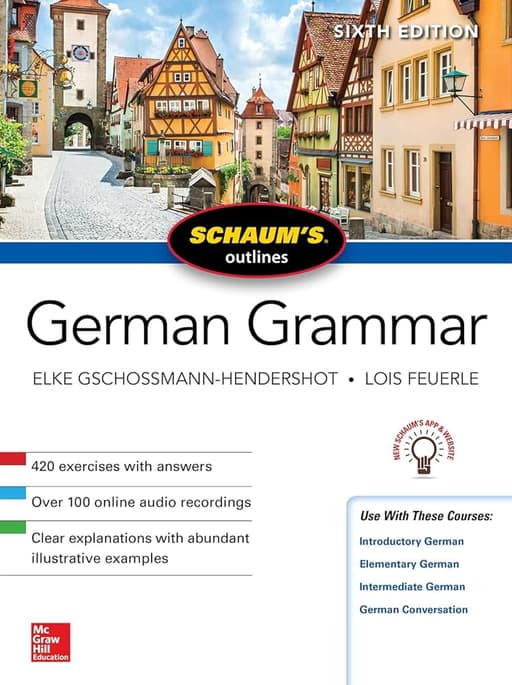
Schaum’s Outline of German Grammar by Bruce Donaldson & others
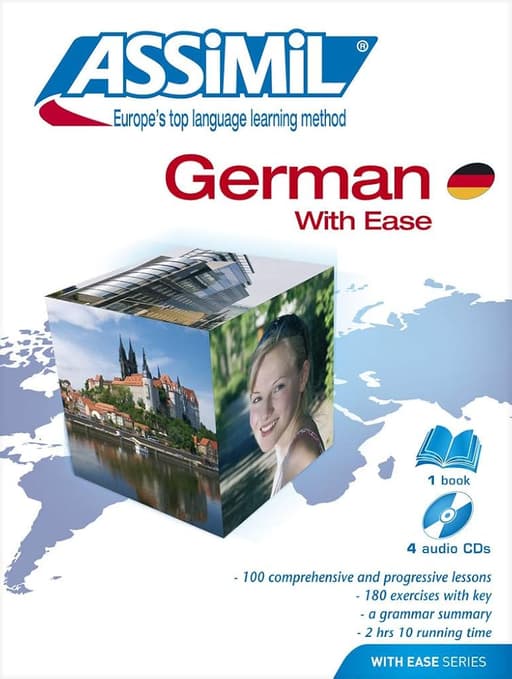
Assimil: German with Ease by Assimil (publisher)
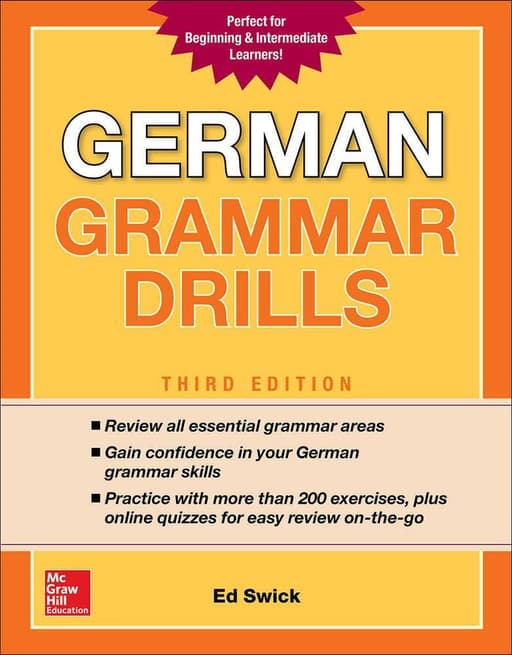
German Grammar Drills by Astrid Henschel
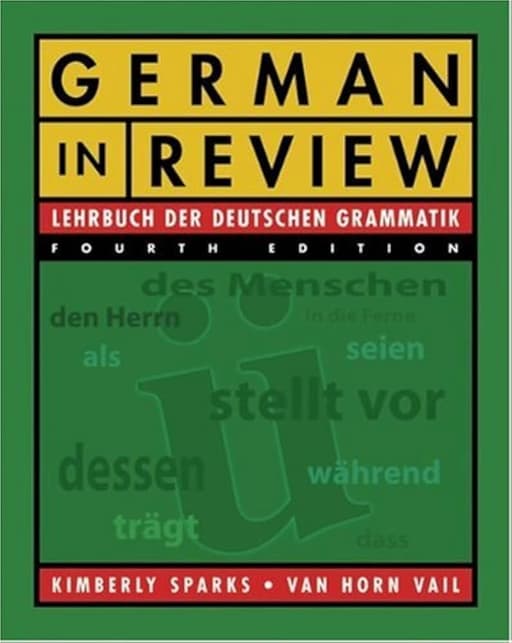
German in Review by Robert Di Donato (et al.)

Easy German Step-By-Step by Ed Swick
Basic German: A Grammar and Workbook by Heiner Schenke & Karen Seago

German All-in-One For Dummies by Wald & Kraynak

Deutsch im Blick by University of Texas (et al.)
The Everything Learning German Book by Edward Swick
Practice Makes Perfect: Complete German Grammar by Ed Swick
All content was written by our AI and may contain a few mistakes. We may earn commissions on some links. Last updated: Wed Dec 3, 2025, 6:21 PM