
Causative Constructions
Dieser Artikel erklärt die deutschen Kausativkonstruktionen: Bildung, Bedeutung und Gebrauch mit Verben wie lassen, machen und sich; inklusive Beispiele, Regeln und häufige Fehler.
This article explains German causative constructions: formation, meaning, and use with verbs such as lassen, machen, and sich; including examples, rules, and common mistakes.
Causative constructions show when one person causes another to do something. German has several ways to express this, each with its own nuance and typical usage.
machen + infinitiv
Using machen + an infinitive with zu is a straightforward way to show that someone causes another to do something. It is common in both spoken and written German.
Examples
Usage
Use machen + zu for clear, general causation. The person causing the action is usually the subject, and the caused action is an infinitive with zu.
lassen + infinitiv
Lassen + an infinitive is the most natural way to express that you let, have, or cause someone to do something. It emphasizes permission or delegation.
Examples
Usage
Use lassen when the causer allows or arranges for the action to happen. It works well with both people and things as the object.
geben + infinitiv
Geben + an infinitive with zu is less common but can be used to indicate giving someone the task or opportunity to do something. It sounds a bit more formal or deliberate.
Examples
Usage
Use geben + zu when focusing on assigning or handing over the action to another person.
haben + infinitiv
Haben + an infinitive with zu or without zu is often used in business or service contexts to show that you cause someone to do something, usually by asking or ordering.
Examples
Usage
Use haben when you arrange for an action to be done by someone else, often in a professional setting.
Causative Verbs
German also has verbs that inherently express causation, such as veranlassen, beauftragen, and bewirken. These are more formal and used in written or official language.
Examples
Usage
Use causative verbs for precise or formal expressions of causing an action, especially in reports or business communication.
Summary
To express causation in German, choose machen + zu for general cases, lassen + infinitiv for permission or delegation, geben + zu for assigning tasks, haben + infinitiv for arranged actions, and causative verbs for formal contexts.
Suggested Reading
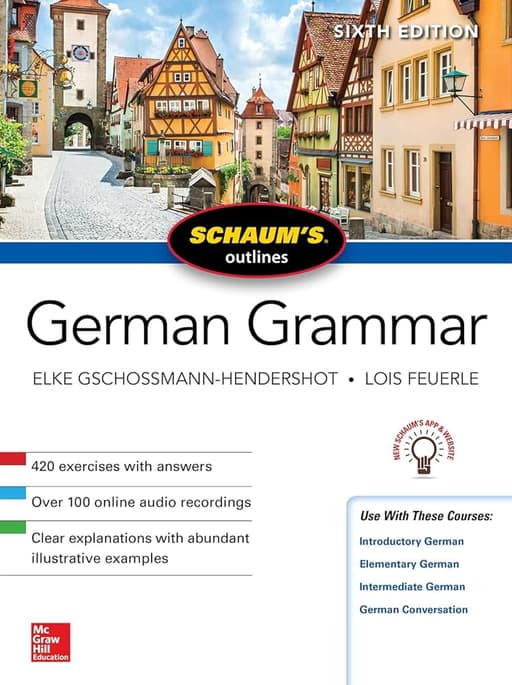
Schaum’s Outline of German Grammar by Bruce Donaldson & others

Assimil: German with Ease by Assimil (publisher)

German Grammar Drills by Astrid Henschel
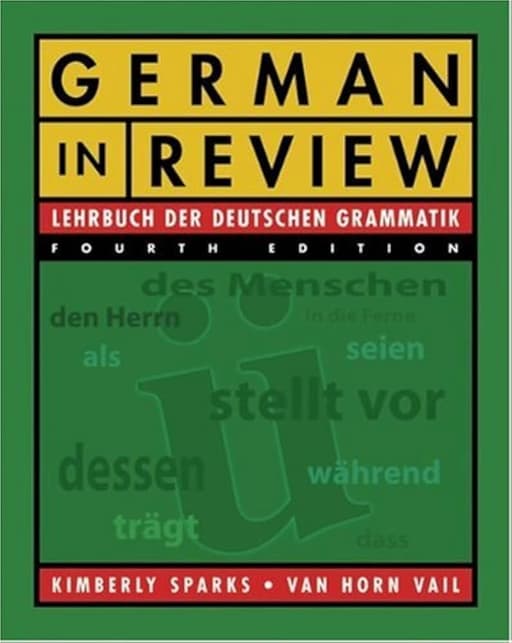
German in Review by Robert Di Donato (et al.)

Easy German Step-By-Step by Ed Swick
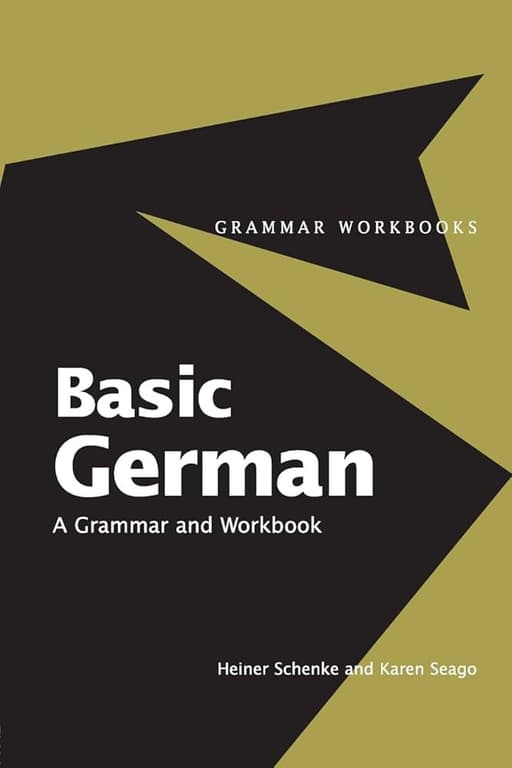
Basic German: A Grammar and Workbook by Heiner Schenke & Karen Seago

German All-in-One For Dummies by Wald & Kraynak

Deutsch im Blick by University of Texas (et al.)
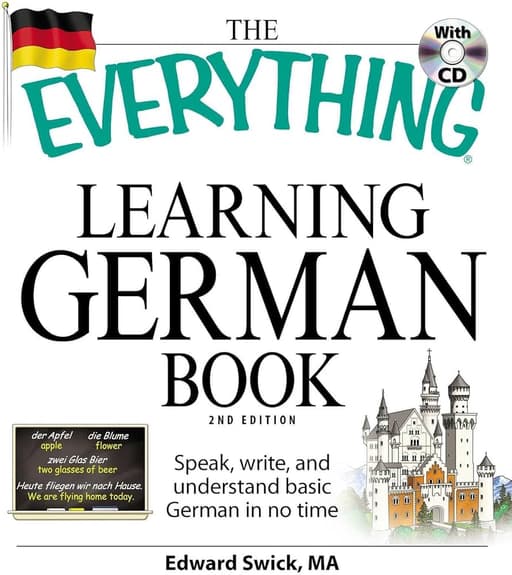
The Everything Learning German Book by Edward Swick
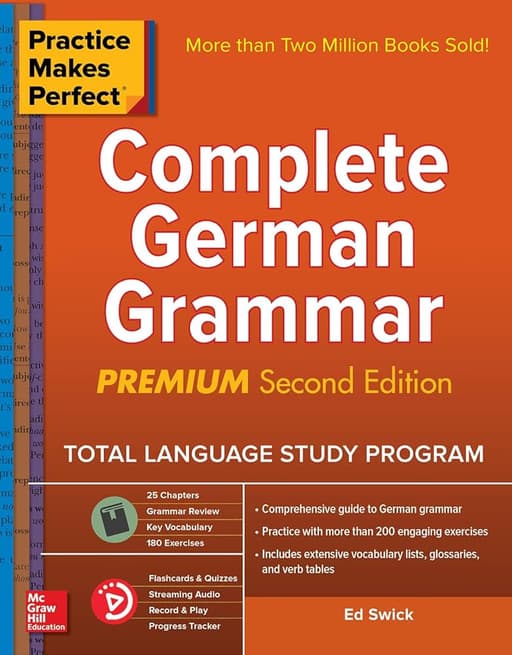
Practice Makes Perfect: Complete German Grammar by Ed Swick
All content was written by our AI and may contain a few mistakes. We may earn commissions on some links. Last updated: Wed Dec 3, 2025, 6:21 PM