
Trouver Trouve Trouvait Trouv
Découvrez les formes du verbe trouver en français: infinitif trouver, présent trouve, imparfait trouvait, et leur usage courant. Fiches pratiques et exercices pour apprendre la conjugaison.
Discover the forms of the verb trouver in French: infinitive trouver, present trouve, imperfect trouvait, and their common usage. Practical sheets and exercises to learn conjugation.
Trouver means "to find" and is very common in everyday speech. You also use it to express opinions, like "I find that..."
Présent
The présent tense shows what you do regularly or what is true now. Use it for habits and general statements.
| French Sentence | English Translation | |
|---|---|---|
| Je trouve mon livre. | I find my book. | |
| Tu trouves la clé facilement. | You find the key easily. | |
| Il/Elle trouve ça intéressant. | He/She finds that interesting. | |
| Nous trouvons une solution. | We find a solution. | |
| Vous trouvez le café bon. | You find the coffee good. | |
| Ils/Elles trouvent leurs amis. | They find their friends. |
Le présent indique ce que vous faites régulièrement ou ce qui est vrai maintenant. Utilisez-le pour des habitudes et des affirmations générales.
We find the solution tomorrow.
Passé Composé
Use the passé composé for completed actions in the past. It tells what you found at a specific moment.
| French Sentence | English Translation | |
|---|---|---|
| J'ai trouvé mes lunettes. | I found my glasses. | |
| Tu as trouvé la réponse. | You found the answer. | |
| Il/Elle a trouvé un emploi. | He/She found a job. | |
| Nous avons trouvé le chemin. | We found the way. | |
| Vous avez trouvé le lieu. | You found the place. | |
| Ils/Elles ont trouvé leurs clés. | They found their keys. |
Utilisez le passé composé pour des actions achevées dans le passé. Il indique ce que vous avez trouvé à un moment précis.
She found an old newspaper.
Imparfait
The imparfait describes ongoing or repeated past actions. Use trouvait for habits or background details when someone kept finding or was looking for something.
| French Sentence | English Translation | |
|---|---|---|
| Je trouvais toujours des excuses. | I was always finding excuses. | |
| Tu trouvais ça difficile. | You found that difficult. | |
| Il/Elle trouvait son travail ennuyeux. | He/She found his/her job boring. | |
| Nous trouvions des trésors dans le jardin. | We used to find treasures in the garden. | |
| Vous trouviez la plage agréable. | You found the beach pleasant. | |
| Ils/Elles trouvaient des idées intéressantes. | They found interesting ideas. |
L’imparfait décrit des actions continues ou répétées dans le passé. Utilisez trouvait pour des habitudes ou des détails de contexte quand quelqu’un cherchait ou trouvait quelque chose de façon régulière.
I used to find quiet spots in town.
Futur
The futur tense expresses what you will find or general predictions. It is useful for plans and promises.
| French Sentence | English Translation | |
|---|---|---|
| Je trouverai une solution. | I will find a solution. | |
| Tu trouveras ton chemin. | You will find your way. | |
| Il/Elle trouvera un endroit calme. | He/She will find a quiet place. | |
| Nous trouverons des réponses. | We will find answers. | |
| Vous trouverez ce que vous cherchez. | You will find what you are looking for. | |
| Ils/Elles trouveront un accord. | They will find an agreement. |
Le futur exprime ce que vous trouverez ou des prévisions générales. Il est utile pour parler de projets et de promesses.
I will find a new route tomorrow.
Conditionnel
Use the conditionnel for polite requests or hypothetical situations. Trouverais softens statements when you imagine finding something.
| French Sentence | English Translation | |
|---|---|---|
| Je trouverais ça utile. | I would find that useful. | |
| Tu trouverais la route plus longue. | You would find the road longer. | |
| Il/Elle trouverait un moyen. | He/She would find a way. | |
| Nous trouverions une solution ensemble. | We would find a solution together. | |
| Vous trouveriez cela drôle. | You would find that funny. | |
| Ils/Elles trouveraient le livre intéressant. | They would find the book interesting. |
Utilisez le conditionnel pour des demandes polies ou des situations hypothétiques. Trouverais adoucit les affirmations lorsque vous imaginez trouver quelque chose.
I would find that later.
Résumé
Trouver is straightforward and appears in many contexts. Master the présent, passé composé, and imparfait to talk about finding things and opinions, and use the futur and conditionnel for plans and polite phrases.
Trouver est simple et apparaît dans de nombreux contextes. Maîtrisez le présent, le passé composé et l’imparfait pour parler de recherche et d’opinions, et utilisez le futur et le conditionnel pour évoquer des projets et des phrases polies.
Suggested Reading
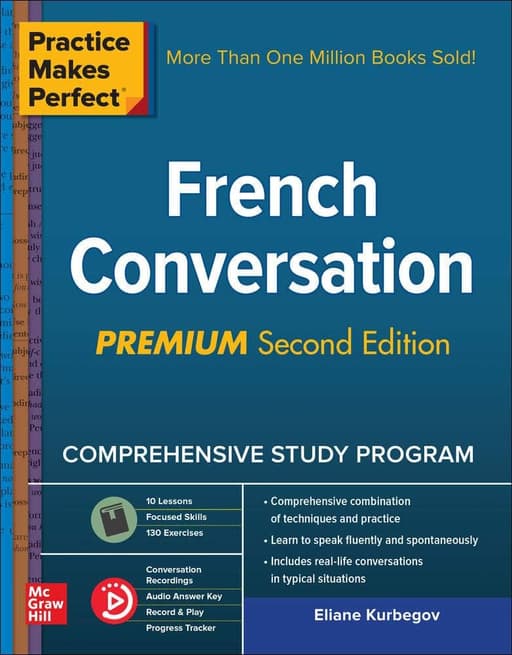
Practice Makes Perfect: French Conversation by Jean Yates

Assimil French Method by Assimil (publisher)

Grammaire en dialogues – Niveau grand débutant by Claire Miquel (and others)

Easy French Step-by-Step by Myrna Bell Rochester

French All-In-One For Dummies by Susana Wald & Cecie Kraynak
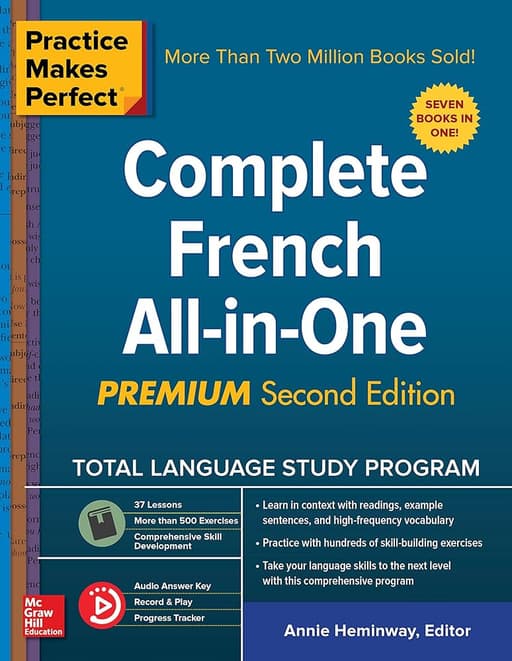
Practice Makes Perfect: Complete French All-in-One by Annie Hemingway

Collins Easy Learning French: Complete Grammar, Verbs & Vocabulary by Collins Dictionaries
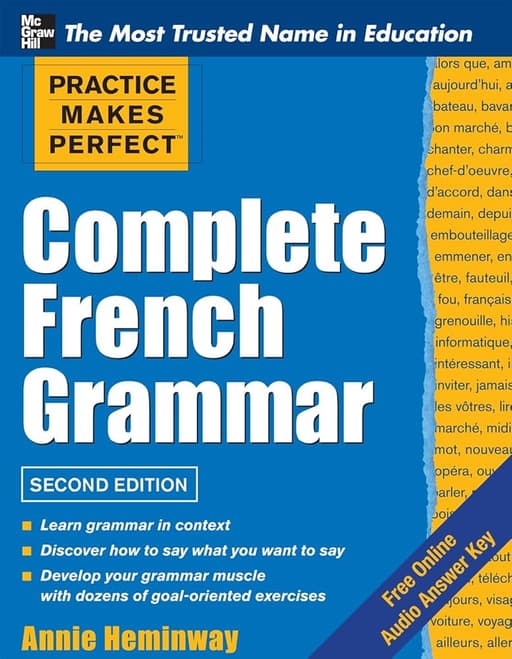
Practice Makes Perfect: Complete French Grammar by Annie Hemingway
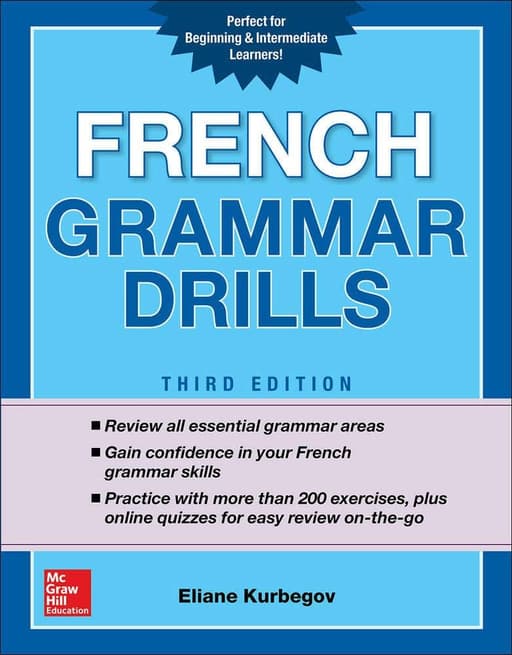
French Grammar Drills by Elaine Kurbegov
All content was written by our AI and may contain a few mistakes. We may earn commissions on some links. Last updated: Wed Dec 3, 2025, 6:21 PM