
Revenir Reviens Revient Revenions Revenu
Découvrez la conjugaison du verbe revenir: présent, passé composé et imparfait, avec les formes revenant et revenu, exemples d'emploi et conseils d'usage pour l'employer correctement.
Discover the conjugation of the verb revenir: present, passé composé and imperfect, with revenant and revenu forms, examples of usage and tips on how to use it correctly.
The verb revenir means "to come back" or "to return" and is used to talk about returning to a place, situation, or state. It is important in everyday speech for describing movements and figurative returns.
Revenir
Revenir belongs to the third group of French verbs and is conjugated with être in compound tenses, so the past participle agrees in gender and number when needed. It follows a predictable pattern useful for narrating returns.
Présent
The present tense of revenir is used to describe habitual returns, general facts, or actions happening now. Here are the forms for each person:
Le temps présent de revenir sert à décrire des retours habituels, des faits généraux ou des actions qui se produisent actuellement. Voici les formes pour chaque personne :
I come back home every evening.
Passé Composé
The passé composé with revenir uses être as the auxiliary, so the past participle revenu must agree with the subject when necessary. This tense describes specific returns that happened at a defined time.
Le passé composé avec revenir utilise être comme auxiliaire, donc le participe passé revenu doit s’accorder avec le sujet si nécessaire. Ce temps décrit des retours précis qui ont eu lieu à un moment défini.
She came back late last night.
Imparfait
The imparfait of revenir describes habitual returns, ongoing actions in the past, or background situations. It sets the scene for narratives and repeated behaviors.
Here are the imparfait forms:
L’imparfait de revenir décrit des retours habituels, des actions en cours dans le passé ou des situations de fond. Il sert à établir le contexte pour des récits ou des comportements répétés.
Voici les formes de l’imparfait :
We used to come back often to the same café.
Plus-Que-Parfait
The plus-que-parfait uses the imparfait of être + past participle revenu and expresses an action that had been completed before another past action. It is useful for showing sequences of returns.
Le plus-que-parfait utilise l’imparfait de être + le participe passé revenu et exprime une action qui s’était achevée avant une autre action passée. Il est utile pour montrer des séquences de retours.
We had come back before the rain started.
Revenir appartient au troisième groupe de verbes français et se conjugue avec être aux temps composés, donc le participe passé s’accorde en genre et en nombre si nécessaire. Il suit un schéma prévisible utile pour raconter des retours.
Expressions
Revenir appears in useful expressions that extend its meaning to figurative returns and reminders. These idioms help sound natural when talking about ideas or costs that "come back" to you.
Examples
Revenir apparaît dans des expressions utiles qui élargissent son sens aux retours figurés et aux rappels. Ces idiomes aident à paraître naturel lorsqu’on parle d’idées ou de coûts qui "reviennent" vers vous.
Summary
Revenir means "to come back" and is conjugated with être in compound tenses. The present, passé composé, imparfait, and plus-que-parfait are key tenses for describing returns in different contexts. Practice the forms and common expressions to talk smoothly about coming back both literally and figuratively.
Revenir signifie "revenir" ou "retourner" et se conjugue avec être aux temps composés. Le présent, le passé composé, l’imparfait et le plus-que-parfait sont des temps clés pour décrire des retours selon différents contextes. Pratiquez les formes et les expressions courantes pour parler aisément du retour, qu’il soit littéral ou figuré.
Suggested Reading
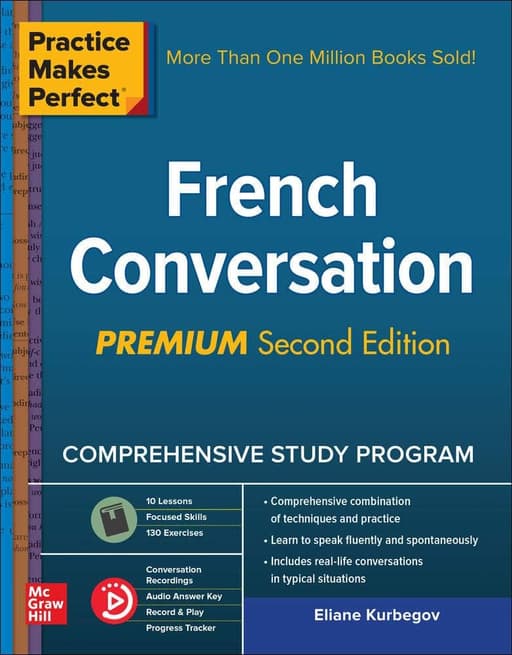
Practice Makes Perfect: French Conversation by Jean Yates

Assimil French Method by Assimil (publisher)

Grammaire en dialogues – Niveau grand débutant by Claire Miquel (and others)

Easy French Step-by-Step by Myrna Bell Rochester

French All-In-One For Dummies by Susana Wald & Cecie Kraynak
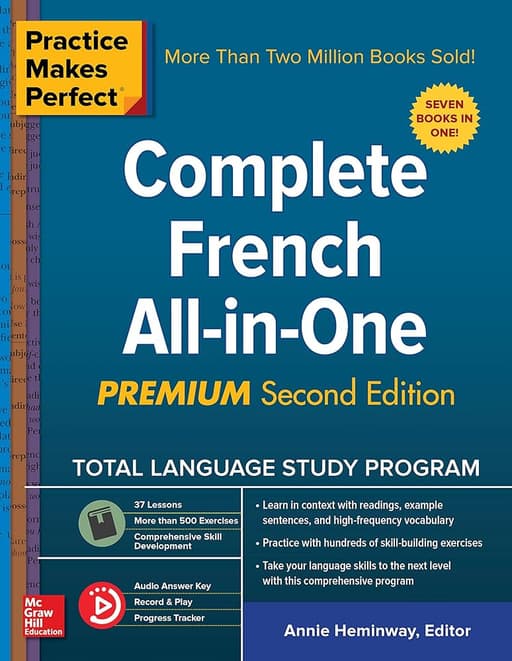
Practice Makes Perfect: Complete French All-in-One by Annie Hemingway

Collins Easy Learning French: Complete Grammar, Verbs & Vocabulary by Collins Dictionaries
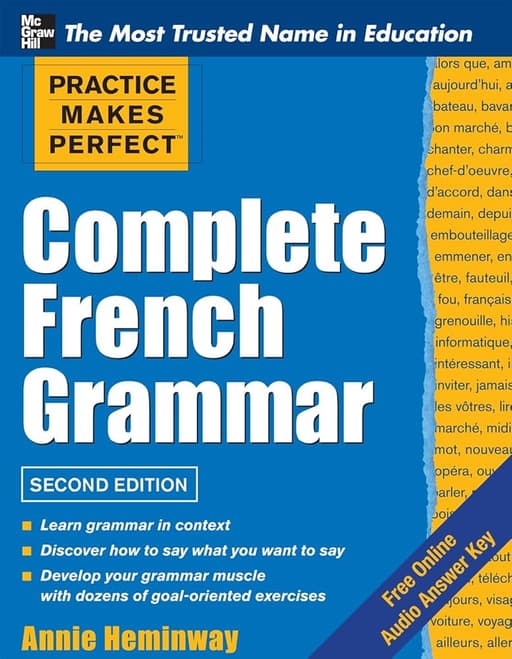
Practice Makes Perfect: Complete French Grammar by Annie Hemingway
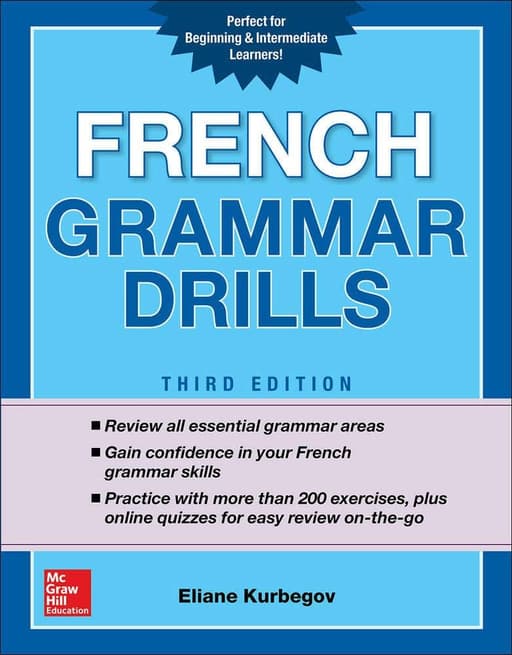
French Grammar Drills by Elaine Kurbegov
All content was written by our AI and may contain a few mistakes. We may earn commissions on some links. Last updated: Wed Dec 3, 2025, 6:21 PM