
Passer Passe Passait Pass
Découvrez la conjugaison du verbe passer: présent, passé composé, imparfait et autres temps, avec des exemples concrets, des astuces d’usage et des précisions sur les nuances.
Discover the conjugation of the verb passer: present, passé composé, imperfect and other tenses, with concrete examples, usage tips, and notes on nuances.
The verb passer is versatile and appears frequently in narratives, so it's useful to see it in different tenses and contexts.
Meaning
Passer literally means "to pass" but can also mean "to spend" time, to go by, to drop by, or to show something depending on context.
Passer signifie littéralement "to pass" mais peut aussi vouloir dire "passer du temps", "se dérouler", "passer par", "faire un saut" ou "montrer quelque chose" selon le contexte.
Passé Compose
The passé compose expresses completed actions and is formed with avoir plus the past participle passé. Use it for specific moments.
Passé Compose Examples
Yesterday, I passed by the market.
Formation
Pour passer, la conjugaison au passé simple est :
- je passai
- tu passas
- il/elle passa
- nous passâmes
- vous passâtes
- ils/elles passèrent
When I was little, I used to spend my afternoons at the park.
Usage
Principalement dans la littérature, pour une narration formelle ou descriptive de faits achevés dans un passé éloigné.
Imparfait
The imparfait describes ongoing or habitual past actions, background details, and time conditions. The stem comes from the nous form.
Imparfait Examples
He used to spend his holidays in the countryside.
Formation
Pour passer, la conjugaison au passé simple est :
- je passai
- tu passas
- il/elle passa
- nous passâmes
- vous passâtes
- ils/elles passèrent
When I was little, I used to spend my afternoons at the park.
Usage
Principalement dans la littérature, pour une narration formelle ou descriptive de faits achevés dans un passé éloigné.
L’imparfait décrit des actions en cours ou habituelles dans le passé, des détails de contexte ou des conditions temporelles. La racine vient de la forme « nous » du présent.
Passé Simple
The passé simple is a literary tense used mainly in written narratives for completed actions. It often replaces the passé compose in novels.
Passé Simple Examples
He passed in front of the castle and greeted the guard.
Formation
Pour passer, la conjugaison au passé simple est :
- je passai
- tu passas
- il/elle passa
- nous passâmes
- vous passâtes
- ils/elles passèrent
When I was little, I used to spend my afternoons at the park.
Usage
Principalement dans la littérature, pour une narration formelle ou descriptive de faits achevés dans un passé éloigné.
Expressions
Some common expressions with passer appear in set phrases for time, visits, and turning points.
Certaines expressions courantes avec passer apparaissent dans des idiomes liés au temps, aux visites, ou aux tournants.
I'm going to drop by Paul's this afternoon.
Summary
-Passer can shift nuanced meaning between passing by, spending time, and more.
-Use the passé compose for specific completed actions, imparfait for ongoing past context, and passé simple for literary narration.
-Noting time expressions helps select the right tense.
Vocabulary
| French Word(s) | English Word(s) | |
|---|---|---|
| passer | to pass / to spend (time) | |
| le temps | time | |
| un moment | a moment | |
| hier | yesterday | |
| souvent | often | |
| chaque jour | each day / every day | |
| la semaine dernière | last week | |
| rentrer | to return / to go home | |
| arriver | to arrive | |
| partir | to leave | |
| rester | to stay | |
| rendre visite à | to visit (someone) | |
| montrer | to show | |
| prendre | to take | |
| attendre | to wait | |
| tourner | to turn | |
| passer chez quelqu’un | to drop by someone's place | |
| passer du temps | to spend time | |
| passer devant | to pass in front of | |
| au moment où | at the moment when | |
| tout à coup | suddenly | |
| à l’époque | at the time / back then | |
| en passant | in passing / while passing by | |
| une fois | once | |
| une heure | an hour | |
| une minute | a minute | |
| souvent | often | |
| parfois | sometimes | |
| d’habitude | usually | |
| chaque jour | every day |
Suggested Reading
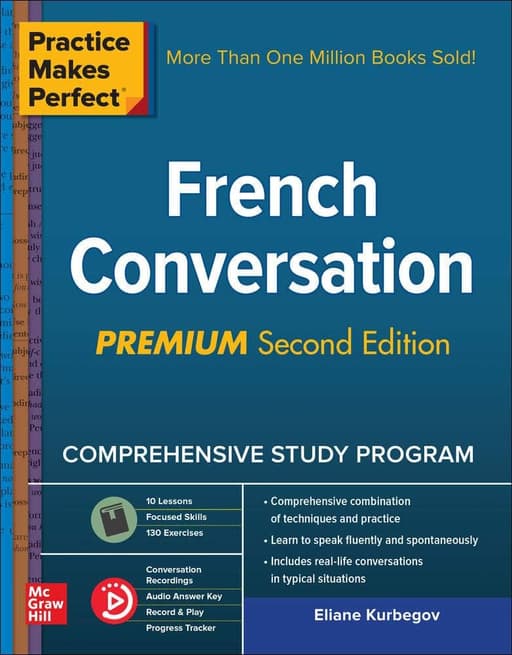
Practice Makes Perfect: French Conversation by Jean Yates
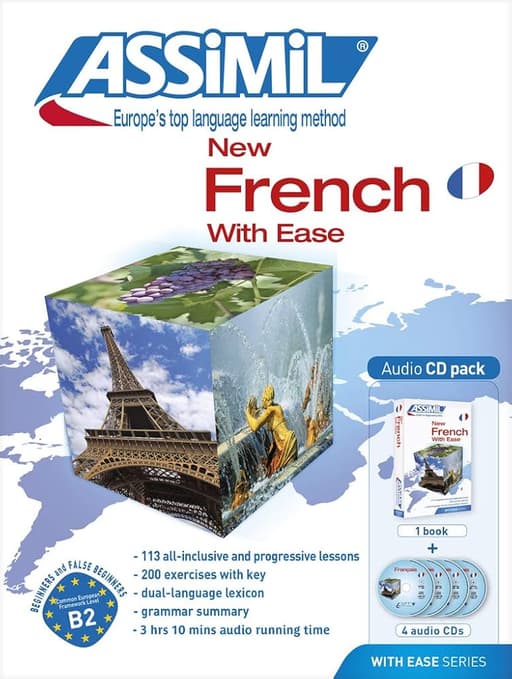
Assimil French Method by Assimil (publisher)

Grammaire en dialogues – Niveau grand débutant by Claire Miquel (and others)
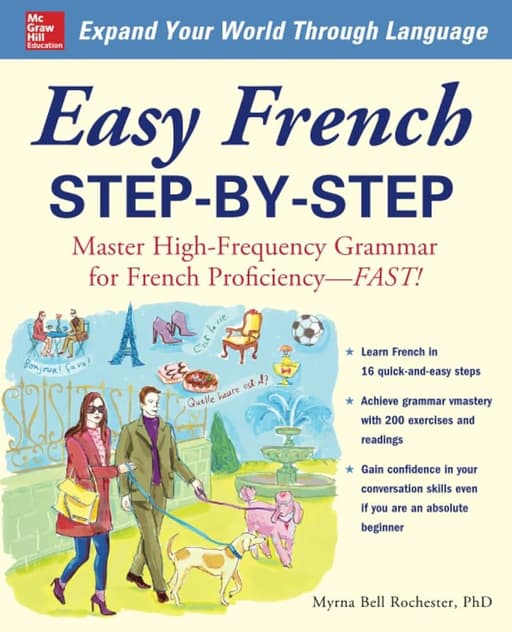
Easy French Step-by-Step by Myrna Bell Rochester
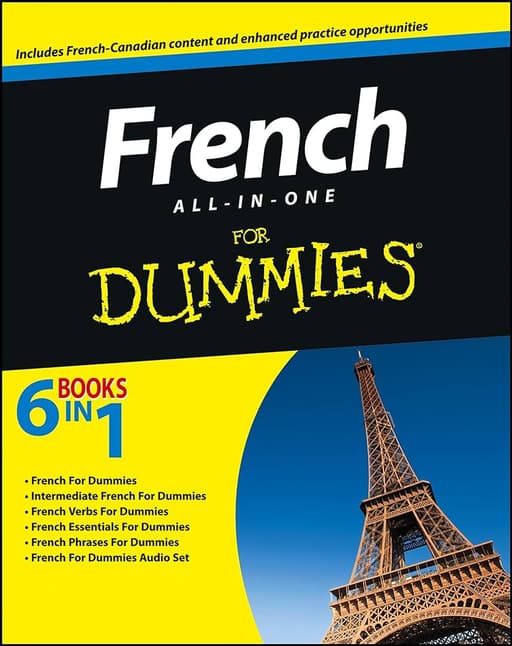
French All-In-One For Dummies by Susana Wald & Cecie Kraynak
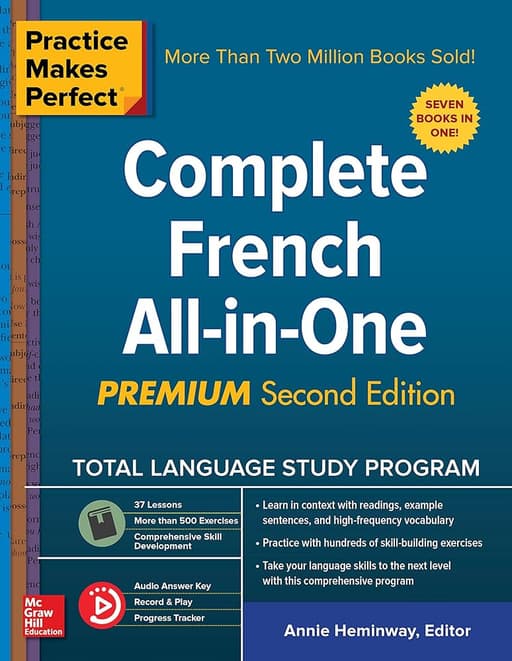
Practice Makes Perfect: Complete French All-in-One by Annie Hemingway
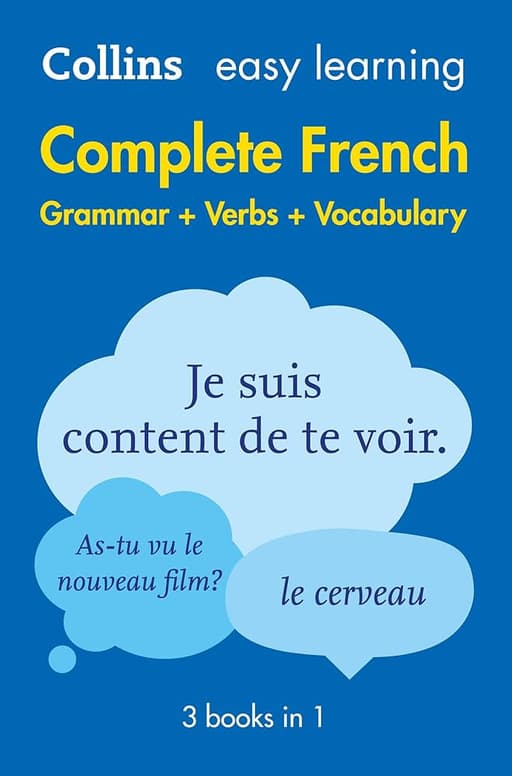
Collins Easy Learning French: Complete Grammar, Verbs & Vocabulary by Collins Dictionaries
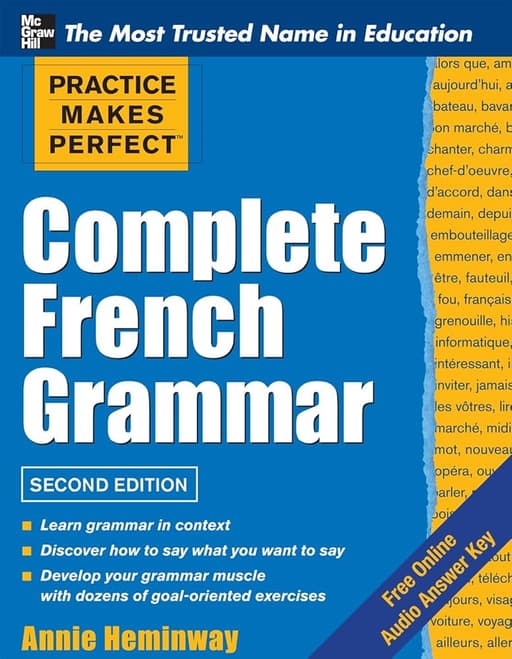
Practice Makes Perfect: Complete French Grammar by Annie Hemingway
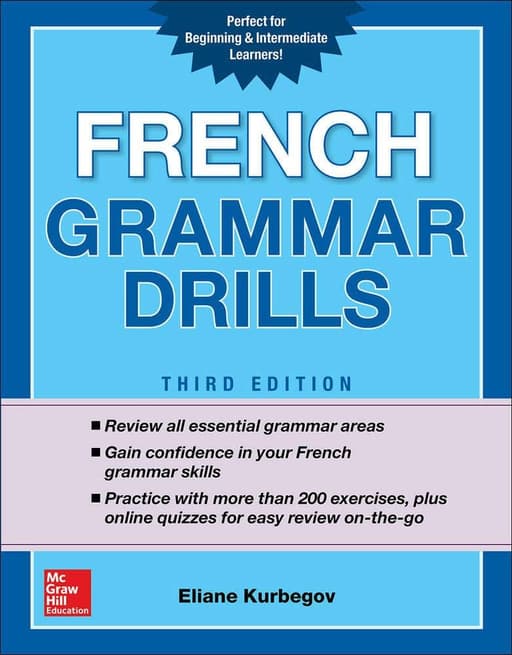
French Grammar Drills by Elaine Kurbegov
All content was written by our AI and may contain a few mistakes. We may earn commissions on some links. Last updated: Wed Dec 3, 2025, 6:21 PM