
Partir Pars Part Partions Parti
Découvrez les conjugaisons du verbe partir au présent, imparfait, passé composé et plus-que-parfait, avec des exemples, irrégularités et conseils d’usage pour utiliser correctement cette conjugaison française.
Discover the conjugations of the verb partir in the present, imperfect, passé composé and plus-que-parfait, with examples, irregularities and tips for using it correctly in French.
This short guide explains the difference between partir, pars, part, partions and parti for leaving and related actions. Each example uses a natural context.
Partir
Partir means to leave or depart from a place and is used for planned or actual leaving.
Partir signifie quitter ou partir d’un endroit et est utilisé pour un départ prévu ou réel.
If we leave now, we'll arrive on time.
Pars
Pars is the tu form of partir in the present tense and is used when addressing someone directly about leaving now or soon.
Pars est la forme tu de partir au présent et s’utilise lorsqu’on s’adresse directement à quelqu’un pour parler de partir maintenant ou bientôt.
Are you leaving right away?
Part
Part is the il/elle/on form of partir in the present tense and describes that someone leaves or is leaving.
Part est la forme il/elle/on de partir au présent et décrit qu’une personne part ou est en train de partir.
She is leaving around noon.
Partons
Partons is the nous form of partir in the present tense and is used when including yourself in leaving or when suggesting to leave together.
Partons est la forme nous de partir au présent et s’utilise quand on inclut soi-même dans le fait de partir ou pour suggérer de partir ensemble.
After dinner, we are leaving for the airport.
Parti
Parti is the past participle of partir and is used with être to form the passé composé for completed departures.
Parti est le participe passé de partir et s’utilise avec être pour former le passé composé des départs accomplis.
She left at dawn.
Summary
Use partir for the idea of leaving, pars, part and partons for present actions from different persons, and parti for completed departures in narratives.
Suggested Reading
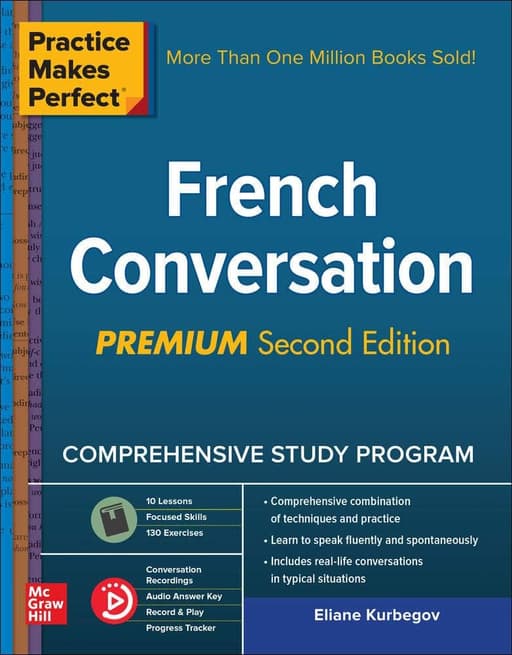
Practice Makes Perfect: French Conversation by Jean Yates

Assimil French Method by Assimil (publisher)

Grammaire en dialogues – Niveau grand débutant by Claire Miquel (and others)

Easy French Step-by-Step by Myrna Bell Rochester

French All-In-One For Dummies by Susana Wald & Cecie Kraynak

Practice Makes Perfect: Complete French All-in-One by Annie Hemingway

Collins Easy Learning French: Complete Grammar, Verbs & Vocabulary by Collins Dictionaries

Practice Makes Perfect: Complete French Grammar by Annie Hemingway
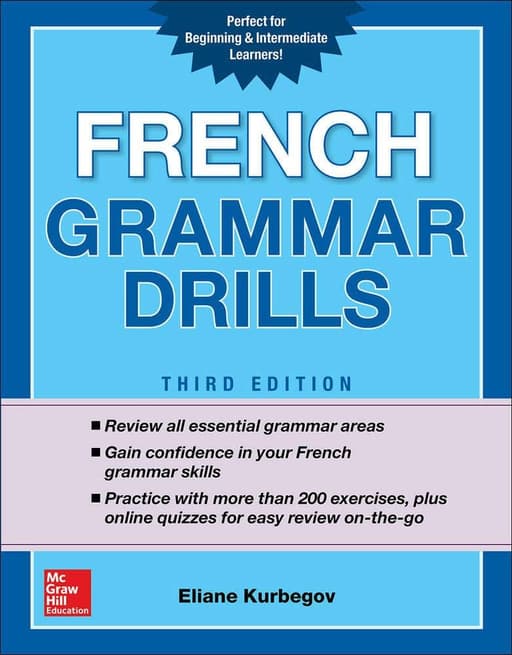
French Grammar Drills by Elaine Kurbegov
All content was written by our AI and may contain a few mistakes. We may earn commissions on some links. Last updated: Wed Dec 3, 2025, 6:21 PM