
Common Confusions
本篇聚焦中文词汇中的常见混淆点,帮助英语母语者区分近义词、搭配和用法差异。内容涵盖多音字、量词、方位词、动词及介词的正确用法,以及常见的搭配错误、成语与惯用语的常见误解。提供对比例句、练习要点和记忆技巧,帮助提升词汇辨析能力与语言表达准确性。适用于初学者和进阶学习者,附带可练习的对比句子和短测验,帮助巩固记忆。
This article focuses on common confusions in Chinese vocabulary, helping English speakers distinguish nuances in meaning, collocations, and usage. It covers homographs, classifiers, directional words, and the correct use of verbs and prepositions, as well as common errors in collocations, idioms, and idiomatic expressions. It provides contrastive examples, practice tips, and memory techniques to enhance lexical discrimination and precision in expression. Suitable for beginners and intermediate learners, with practice sentences and short quizzes to reinforce learning.
Learning Mandarin is fun but some similar words and sounds can trick you. This guide clears up frequent mix-ups so you speak with confidence.
Vocabulary
Mandarin has many near-synonyms and look-alike sounds that change meaning with tone or context. Small differences matter for clear communication.
jìn 进 vs. jīn 斤
Jìn means "to enter," while jīn is a unit of weight roughly half a kilogram. Don't swap them in directions or market scenes.
| Hanzi Character(s) | Pinyin Word(s) | English Translation(s) | |
|---|---|---|---|
| 进 | jìn | enter/go in | |
| 斤 | jīn | catty (unit of weight) |
Please enter from the left door.
qī 七 vs. qǐ 起
Qī means "seven," and qǐ appears in verbs like qǐ lái ("to get up"). Tone changes can turn a number into an action, so pay attention.
| Hanzi Character(s) | Pinyin Word(s) | English Translation(s) | |
|---|---|---|---|
| 七 | qī | seven | |
| 起 | qǐ | to rise/get up |
For the number seven: Today is July seventh.
lái 来 vs. lèi 累
Lái means "come," and lèi means "tired." They sound similar to learners but serve very different functions in everyday speech.
| Hanzi Character(s) | Pinyin Word(s) | English Translation(s) | |
|---|---|---|---|
| 来 | lái | come | |
| 累 | lèi | tired |
The friend says: Please come to my house to play.
wèn 问 vs. wěn 吻
Wèn means "to ask," a common classroom word, while wěn means "to kiss," used less often in polite conversation. Tone changes soften or shift meaning entirely.
| Hanzi Character(s) | Pinyin Word(s) | English Translation(s) | |
|---|---|---|---|
| 问 | wèn | to ask | |
| 吻 | wěn | to kiss |
普通话中有许多近义词和相似的发音,意义会随着声调或语境而变化。细微的差别对清楚表达非常重要。
Grammar
Mandarin grammar is consistent but particles and word order can cause confusion for learners used to other languages. Small changes can flip meaning.
de 的 vs. de 得 vs. de 地
There are three sound-similar particles: 的 links modifiers to nouns, 得 marks result or degree after verbs, and 地 turns adjectives into adverbial modifiers. Use each in its role to keep sentences natural.
普通话的语法虽然一致,但助词和词序可能会让习惯其他语言的学习者感到困惑。微小的变化可以扭转句意。
He wore a blue shirt.
Summary
Tone and context guide meaning in Mandarin, so listen carefully and practice key pairs aloud. Learn each example sentence and notice how small changes affect sense. Consistent review turns tricky confusions into easy habits.
声调和语境决定了普通话的意义,因此要仔细聆听并大声练习关键对比如 jìn/jīn、qī/qǐ 等。学习每个例句,留意微小的变化如何影响意思。持续复习能把难以分辨的问题变成轻松掌握的习惯。
Suggested Reading
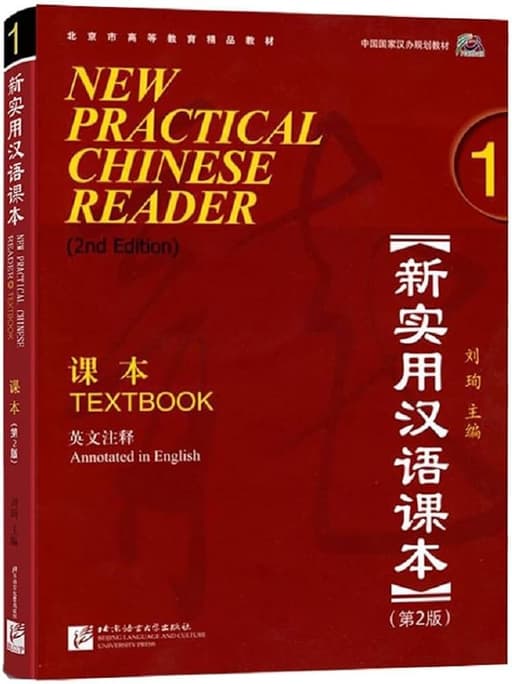
Practical Chinese Reader (Original) / New Practical Chinese Reader by Shangwu Yinshuguan / Beijing Language & Culture University Press
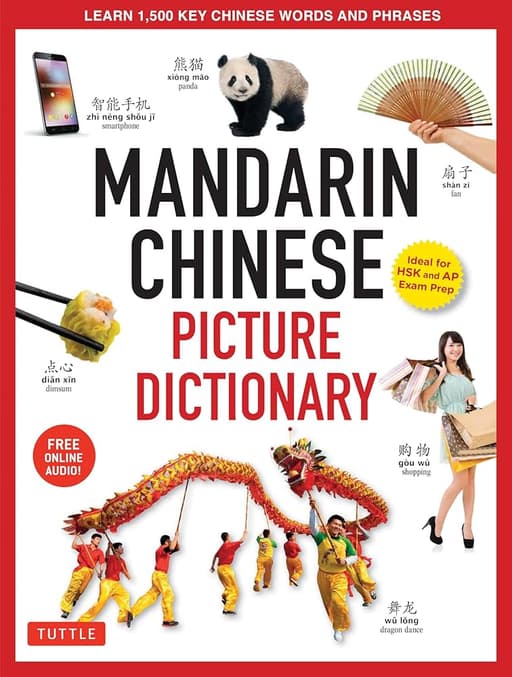
Mandarin Chinese Picture Dictionary: Learn 1,500 Key Chinese Words and Phrases by Yi Ren (et al.)
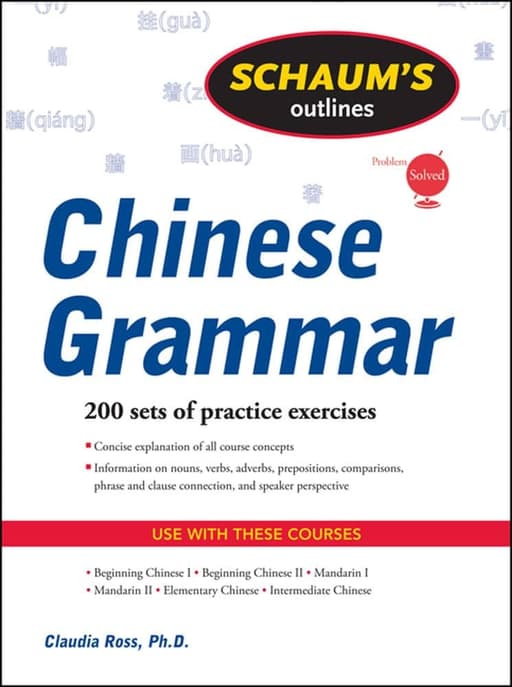
Schaum’s Outline of Chinese Grammar by Claudia Ross & Jing-Heng Sheng Ma
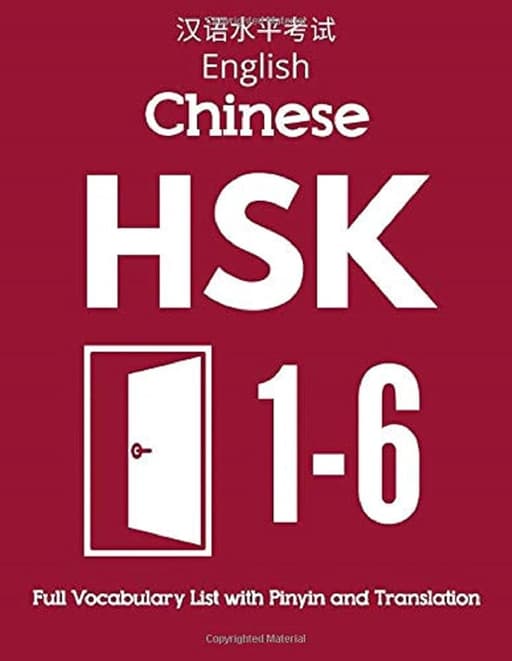
HSK Standard Course (Level 1-6 series) by Beijing Language & Culture University Press
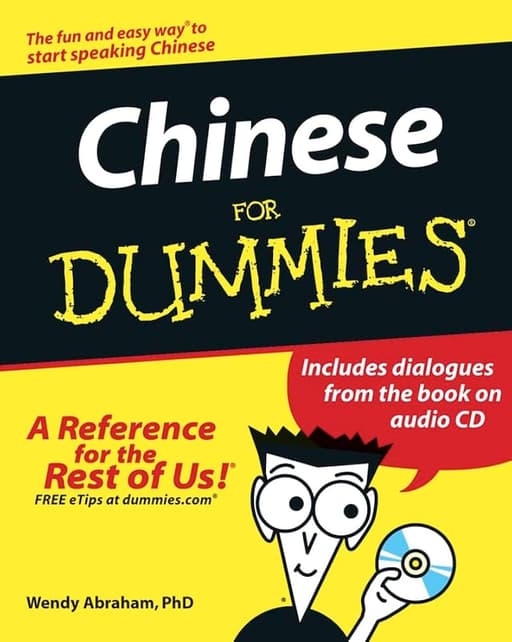
Chinese for Dummies by Wendy Abraham (et al.)
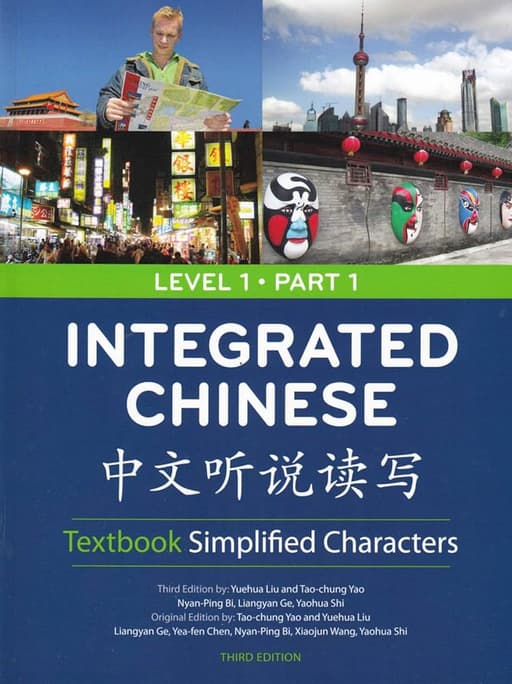
Integrated Chinese by Cheng & Tsui
Basic Chinese: A Grammar and Workbook by Cornelius C. Kubler (et al.)
New Practical Chinese Reader by Beijing Language & Culture University Press
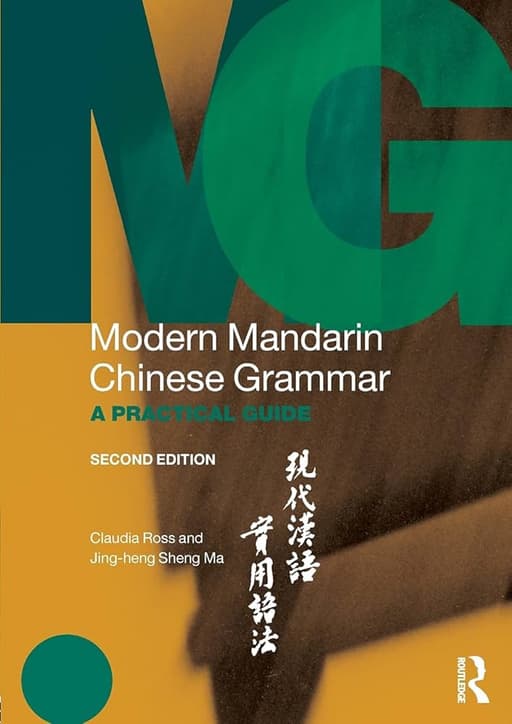
Modern Mandarin Chinese Grammar: A Practical Guide by Routledge (various)
All content was written by our AI and may contain a few mistakes. We may earn commissions on some links. Last updated: Wed Dec 3, 2025, 6:21 PM